What do you think of when you imagine a vacation in Costa Rica? Sun, brilliantly colored birds and flowers, animals, perhaps even a viewing of a sloth hanging from the branches of a tropical tree. Yes, taking an eco-tourism adventure in Costa Rica in early November could be those things, but it was also rain, more rain and soaking clothes! Costa Rica has two seasons – the wet season and the dry season, and of course, a transition period between them. For whatever reason, the travel agency booking this trip chose the very start of the transition period for us, and even our guide commented that it was his first tour of the season. Whether it was chosen because hotels and flights would be economic, or the tours would not be too busy, I’m afraid that it was the wrong time of the year for us!
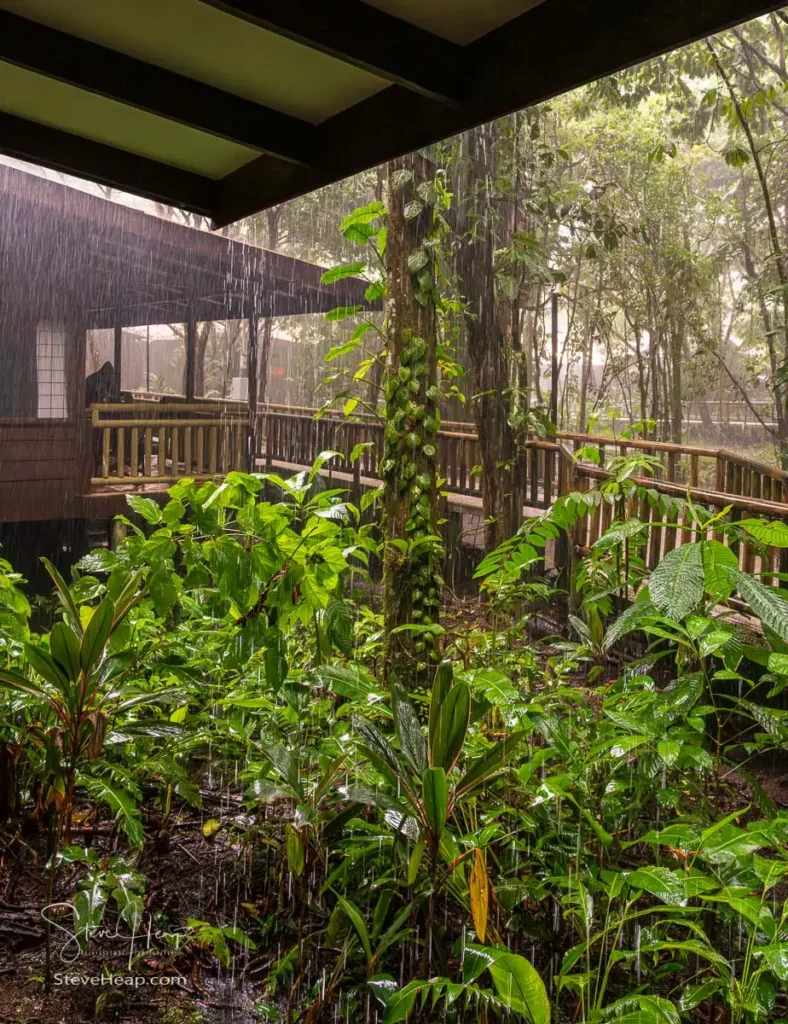
But we did it, we survived and our guide, Joe Bernini did a wonderful job of keeping us safe and coming up with alternatives when the planned excursions were just not possible in the conditions we encountered. As I often do, I’m writing an extended story of this vacation to give you some idea of what you might expect in Costa Rica in November. I’ll split the articles into the four main regions we visited on this trip, the first being the National Park of Tortuguero in the north-east of the country.
Our flights into San Jose were on time and apart from massive congestion headed into San Jose city, we arrived at our hotel without any issues. We left early the next morning because a landslide had closed the main highway from San Jose north and so we had a several hour detour toward Siquerres with a stop for a second breakfast along the way.
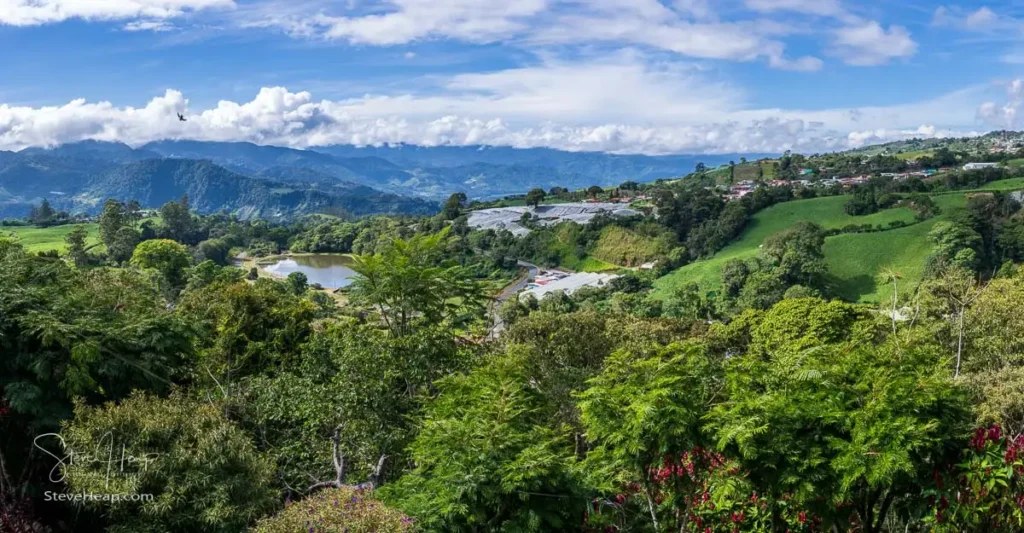
As seemed to become a common theme, the weather was warm and sunny as our coach made its way east. Once we reached Siquirres, we turned off the main highways and headed through massive banana plantations each with the bunch of bananas carefully wrapped in blue plastic to keep insects at bay. The bananas are harvested by hand by cutting them at the stalk and then hung from a raised track which winds its way through the plantation back to the center. As you can imagine, these “trains” created by many banana bunches are then pulled by a worker running through the forest.
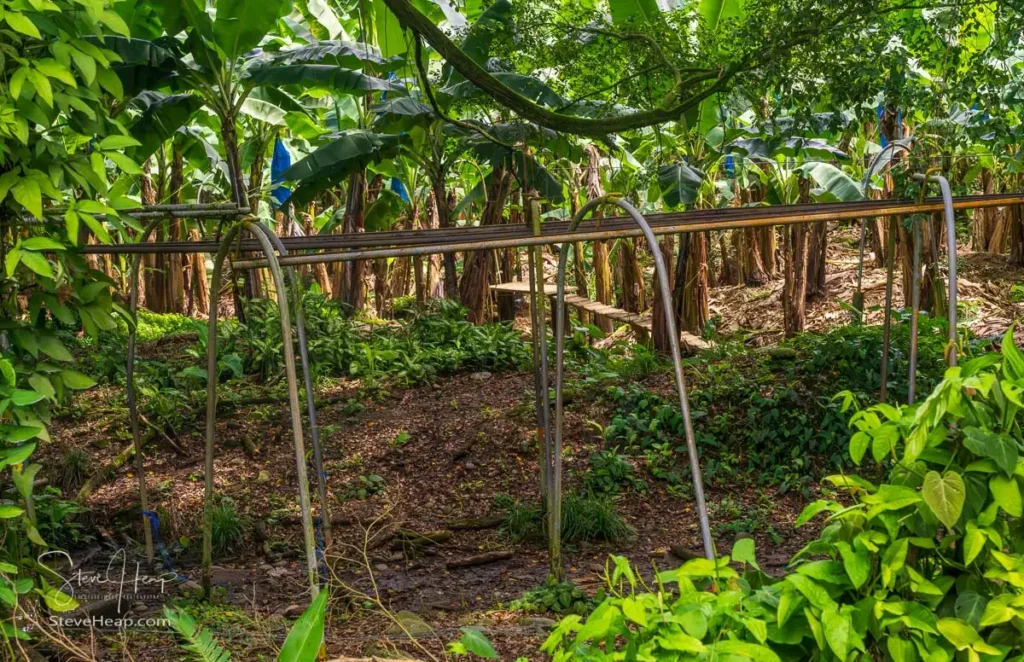
Very difficult work in the hot and humid conditions!
When we finally got to La Pavona on the canals that crisscross this region, we boarded a small boat, with our luggage to head off into the forests on our way to Tortuguero. The boats move quickly along the still water, creating much spray, but as passengers we were pretty dry and enjoying the birds spotted in the trees and along the banks.
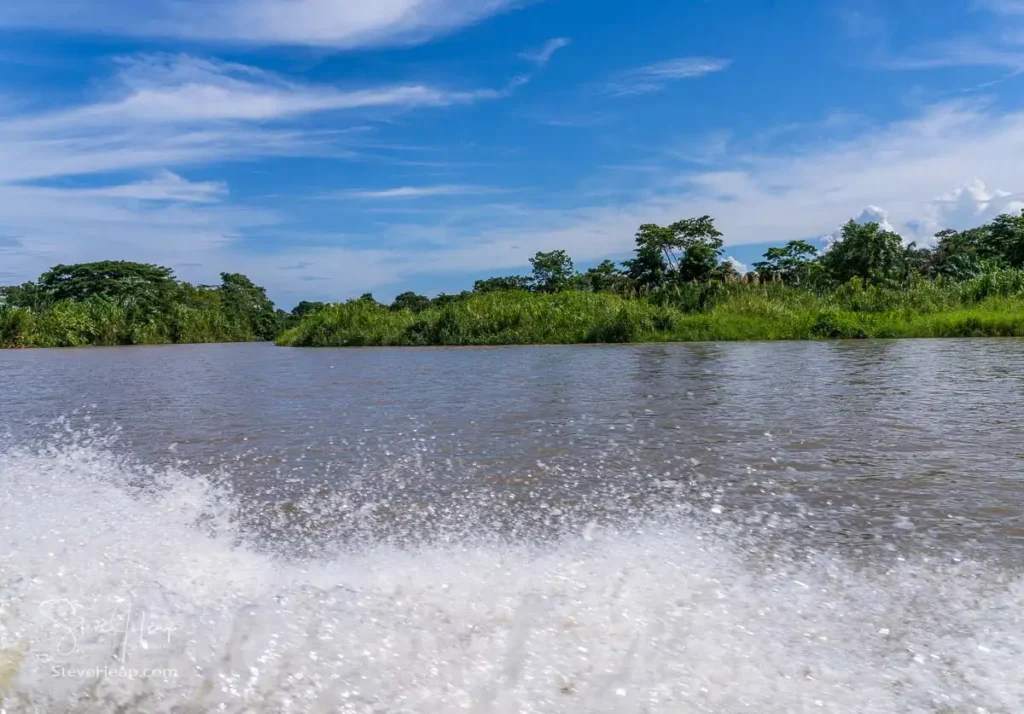
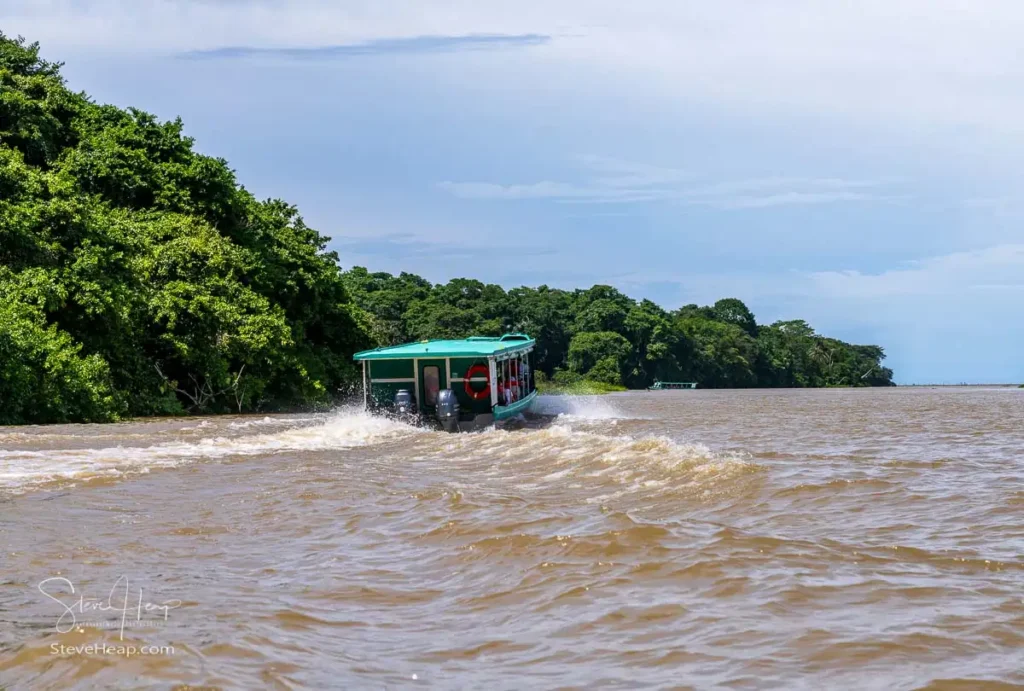
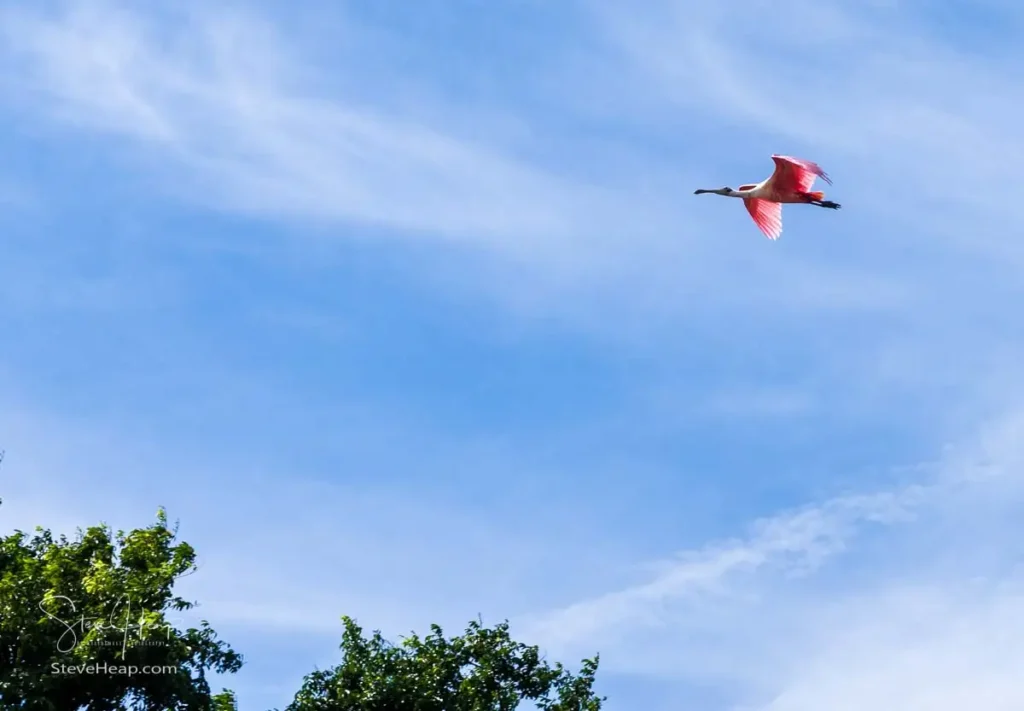
Some waterways here are wide, others narrow down as we pass through narrow passages in the jungle heading north. We disturbed a large flock of pink roseate spoonbills sitting in a tree, but they actually look more impressive in the air.
We were staying in the Evergreen Lodge in the national park, and it was just what you expect in such a wet park – pathways constructed above the ground and a mix of wooden individual cabins and terraced rooms.
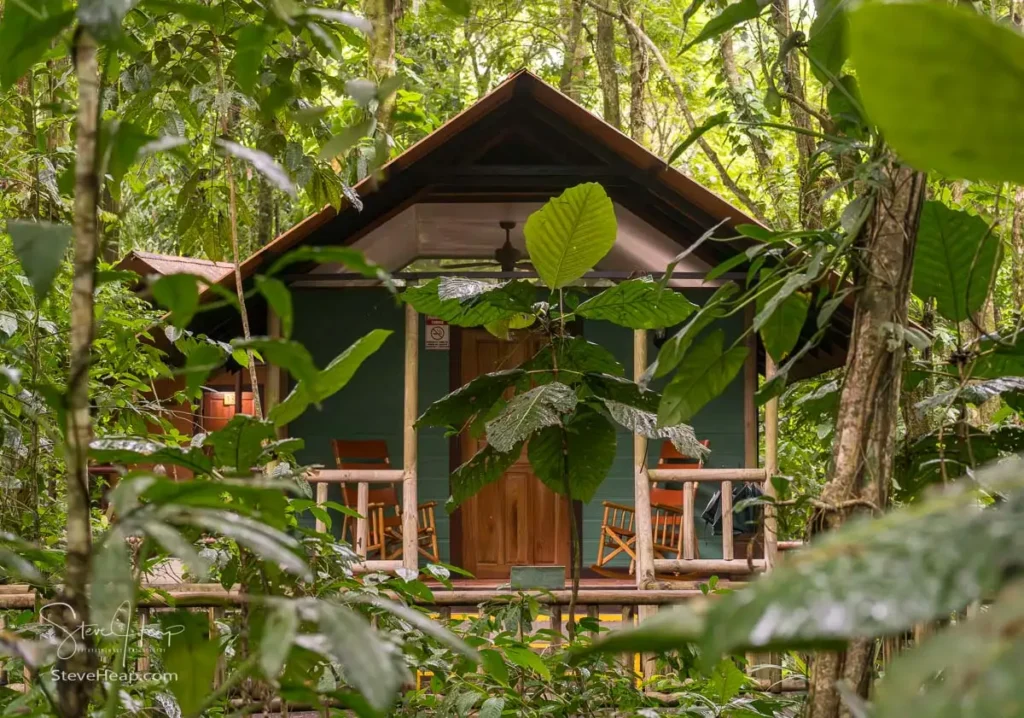
Very rustic, no air-conditioning, just a ceiling fan and mesh over the window openings to let some air move through. It is very, very humid here, not surprisingly, and, as we found, it was pretty hard to dry anything. Clothes felt damp to the touch even if they had just been hanging in the room.
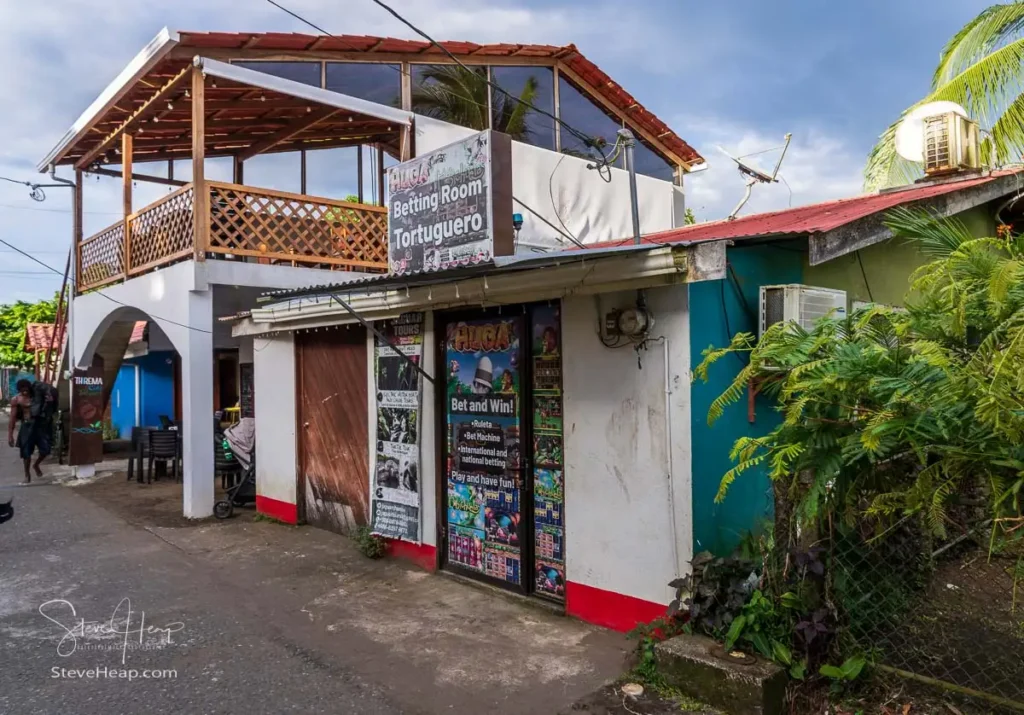
We used a small taxi boat to visit the town of Tortuguero that first afternoon. It is obviously mainly for tourists and visitors with a long street along the water filled with restaurants and souvenir shops, plus an interesting betting shop mixed in!
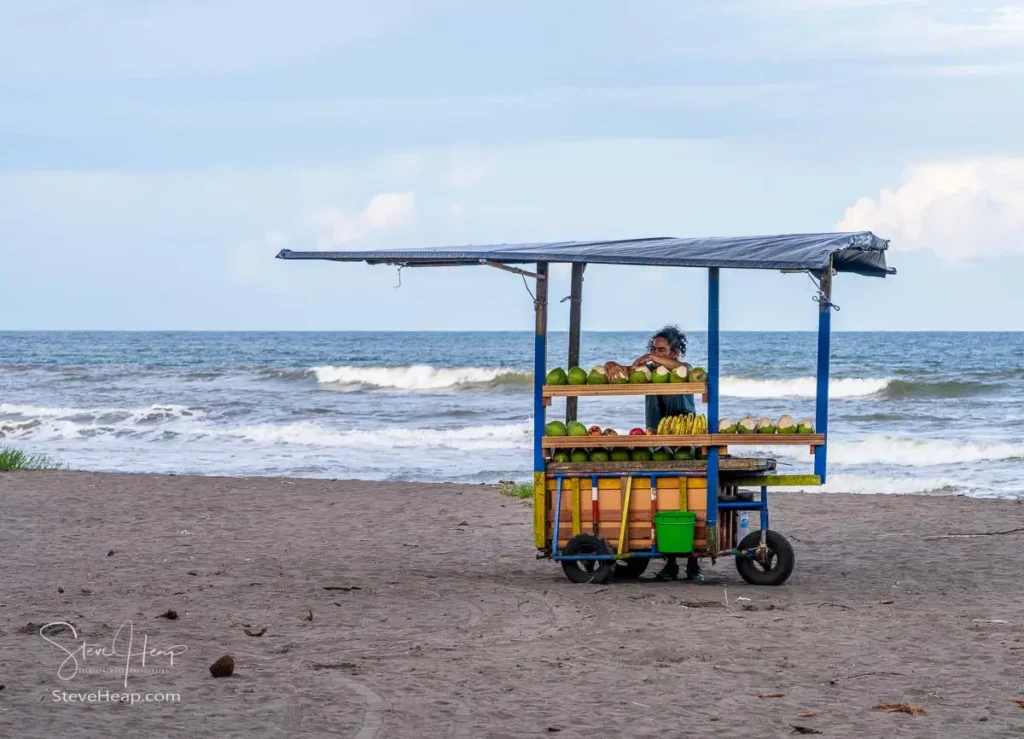
This narrow strip of land separates the canals from the ocean with a long endless beach visible in both directions. Plus, a couple of beach vendors selling coconut water straight from the coconut.
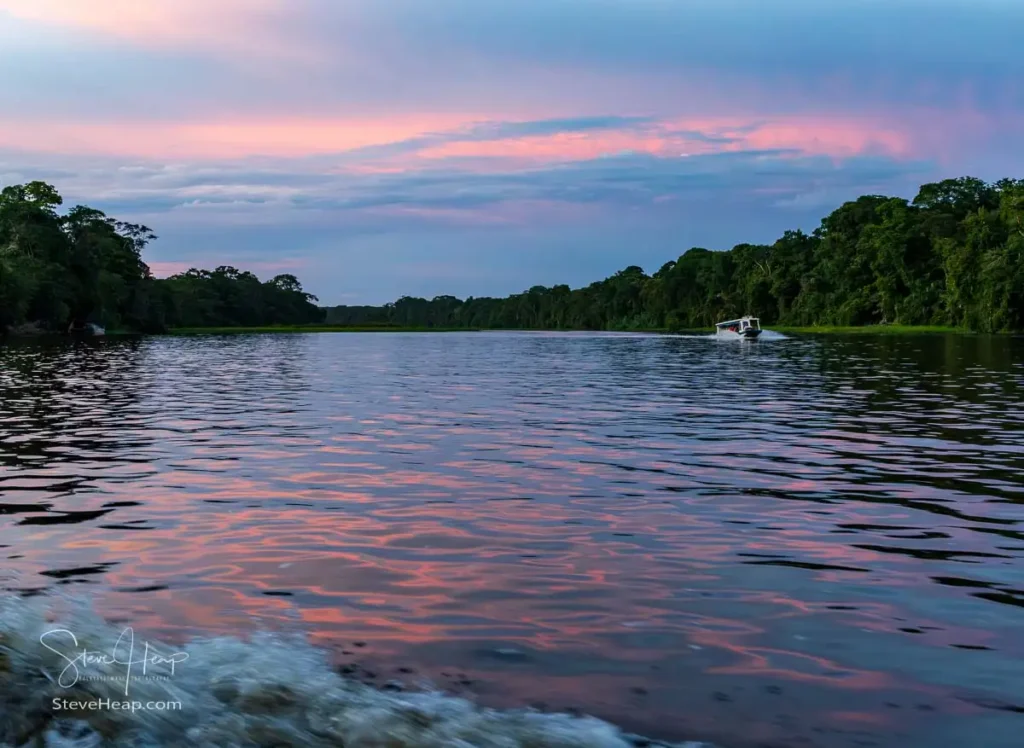
The sun sets pretty early at this time of year and so we did see an interesting sunset on the way back to our lodge in the forest before our dinner.
The next morning, we were up and ready for our boat tour in two smaller open boats on the canals. It was fine but cloudy and we had our waterproof coats, mine being a poncho. The boat guide offered waterproof ponchos to those without them. We headed out into the National Park and into smaller narrower canals looking for wildlife.
The guides were very experienced at spotting wildlife – this iguana high in the tree added a lot of color to the scene.
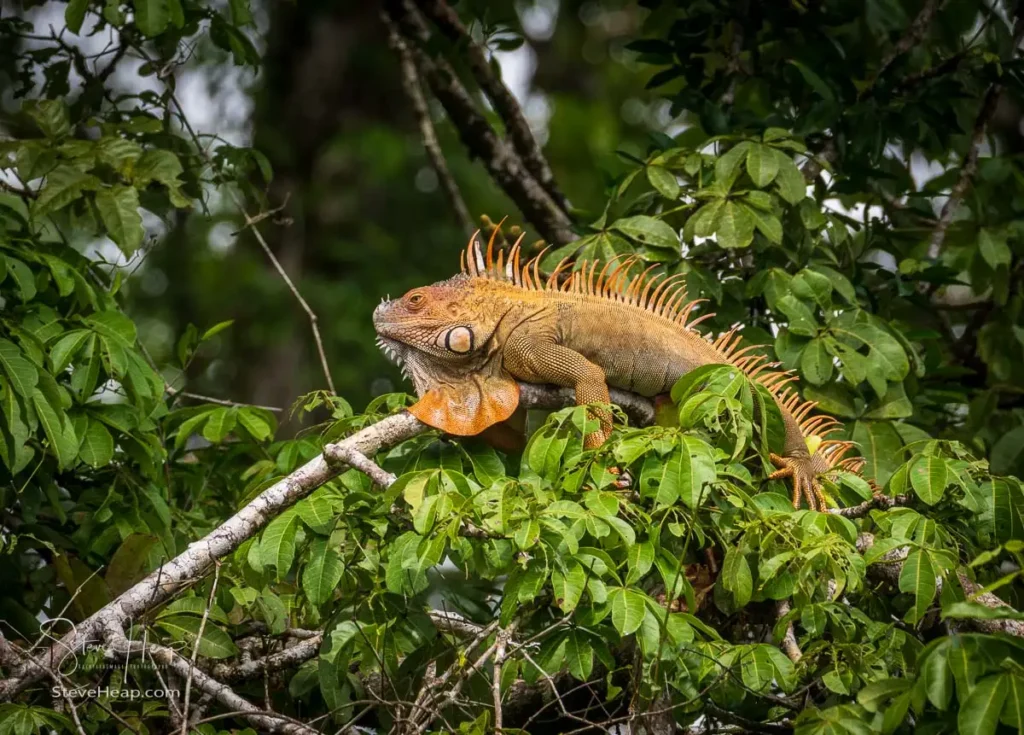
I was prepared here with a 100-400mm lens on my camera and that zoom was really useful for getting a close-up shot of these animals and birds. I did bring a waterproof cover the camera and lens, but found that I couldn’t then reach the zoom ring on the lens and so it had to come off.
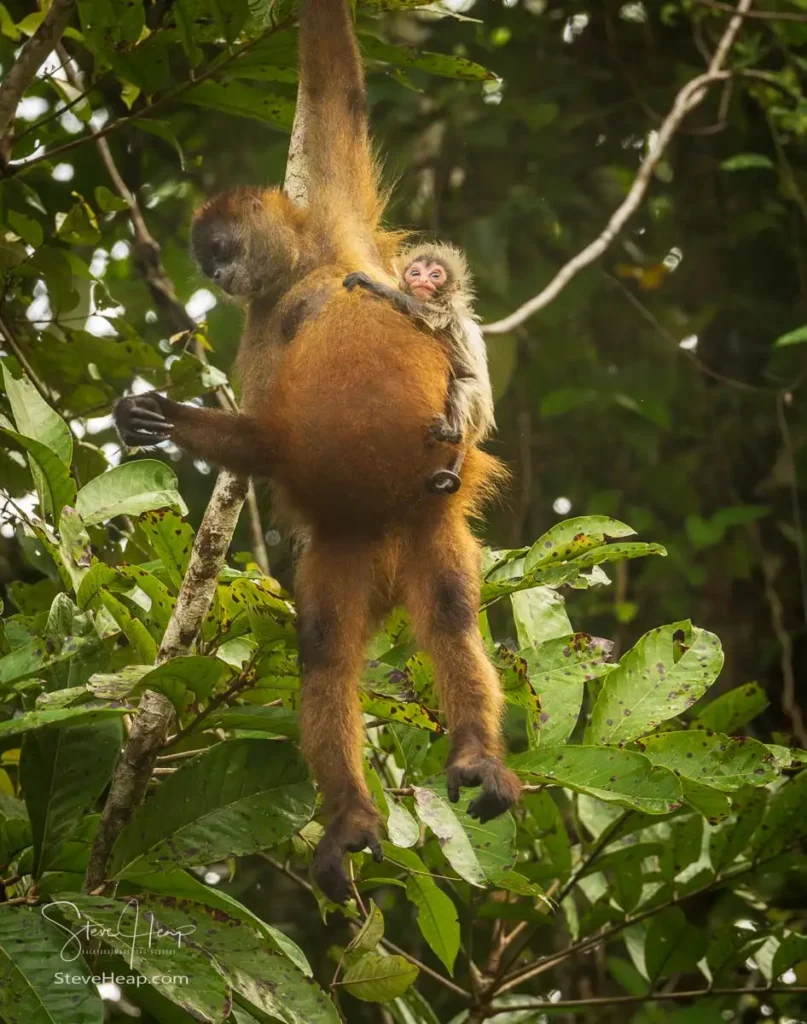
There was a sighting of a sloth high in a tree, but to be honest, I couldn’t see it. It was mainly hidden behind leaves and showed its presence by the leaves moving. We then saw some spider monkeys high in a tree, again in the leaves, but as we glided closer to the shore, a mother started moving down the trunk, turning as she did and we saw a very small baby monkey clinging on to her fur. A great introduction to the wildlife of the forest.
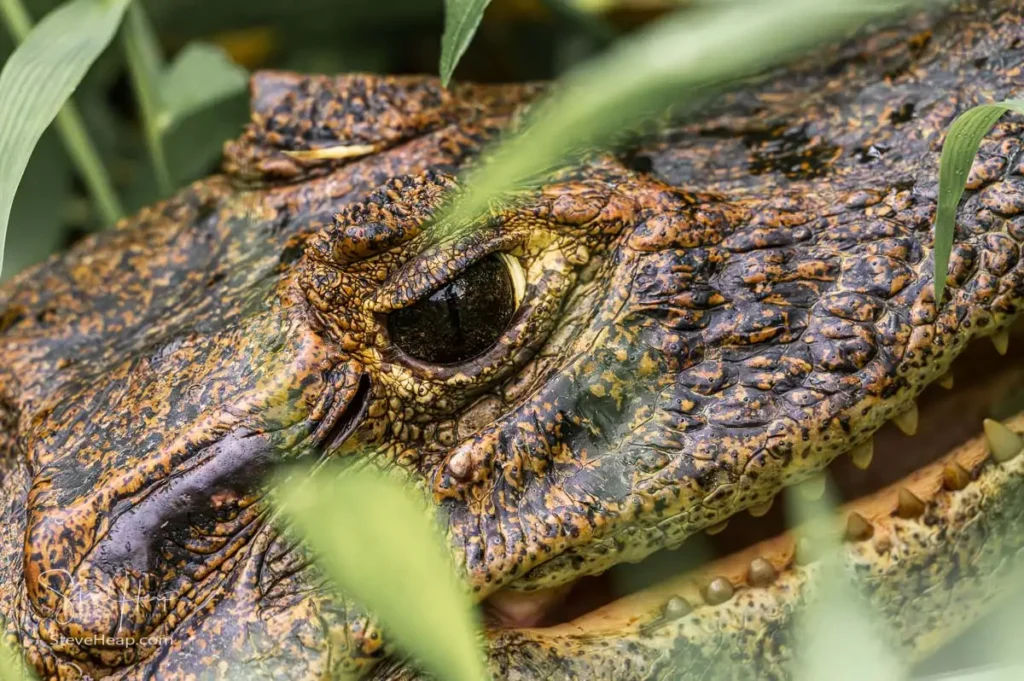
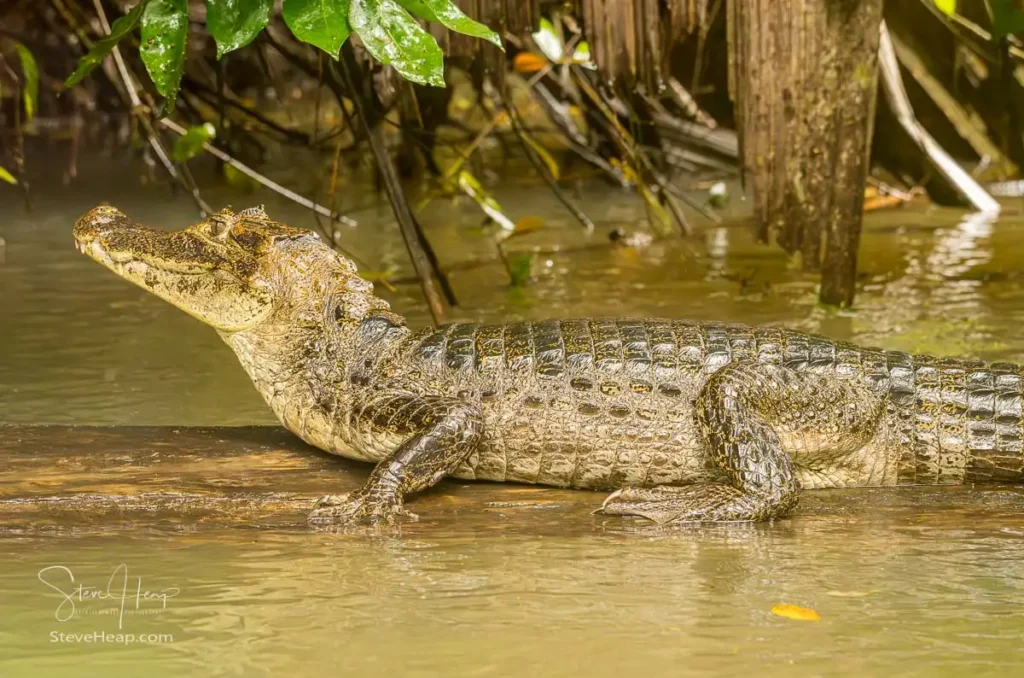
Then we saw a caiman (a form of alligator, I think) hiding in reeds and captured a lovely view of its eye and teeth. There was another about 8 feet long resting on a log that was not too far away as well, and we were able to get pretty close to that.
Somewhere around this time, the guide shouted “waterproofs” and within perhaps 15 seconds we were in a torrential downpour. I struggled to find the head and hood on my poncho and ended up with my head through one the side openings but at least the camera was inside the main cover. I thought the rain might be over as quickly, but no, this was the start of a four-hour downpour and we made our way slowly back to the lodge. These boats drain through a hole in the stern but ours appeared to be blocked and so the rain collected around our feet until it was perhaps 5 inches deep as we finally reached the dock. We sloshed our way along the paths back to our room and hung up these sodden clothes hoping for some amount of drying.
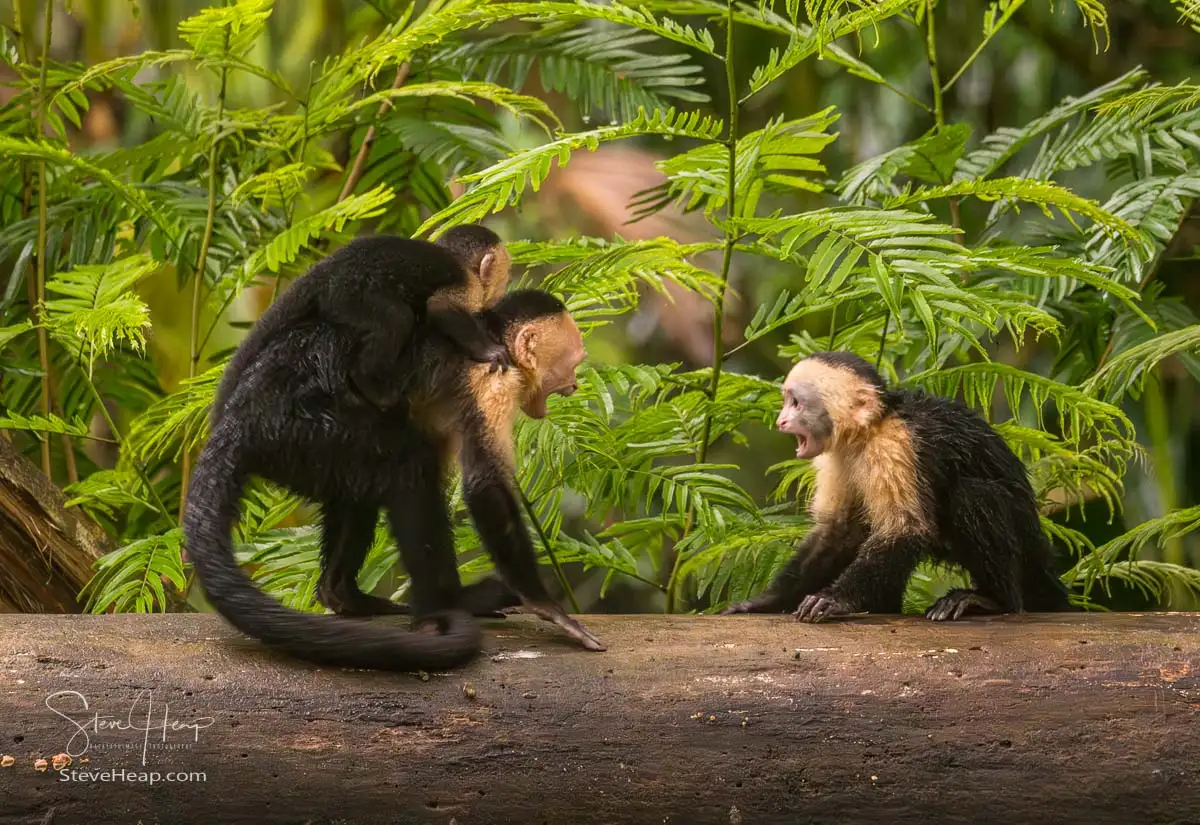
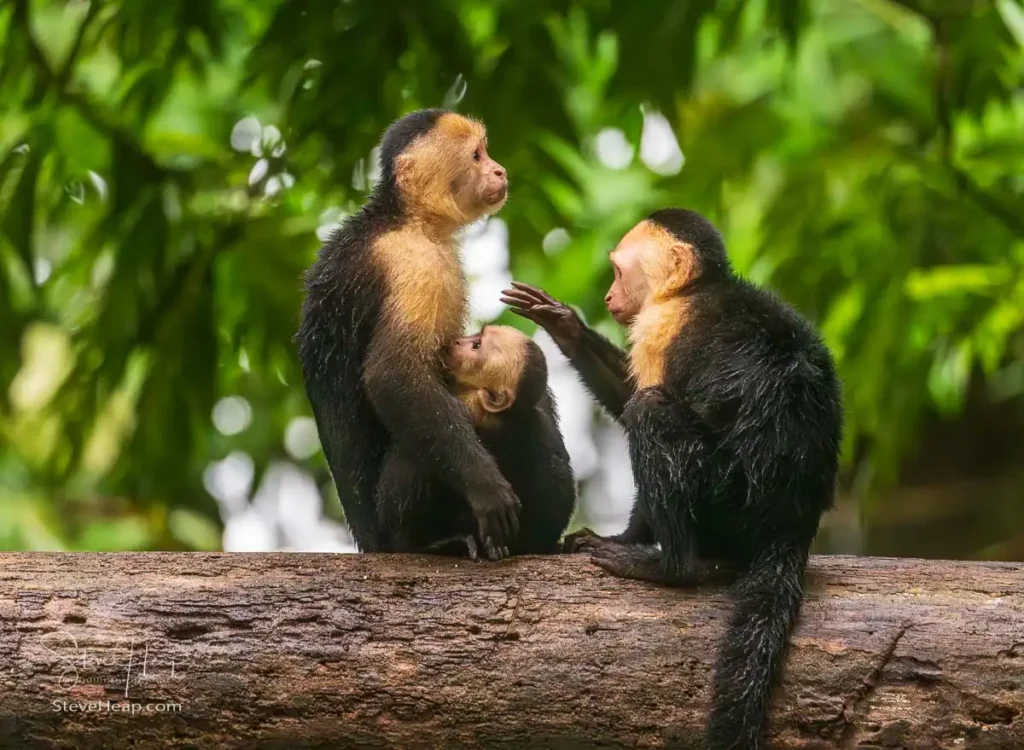
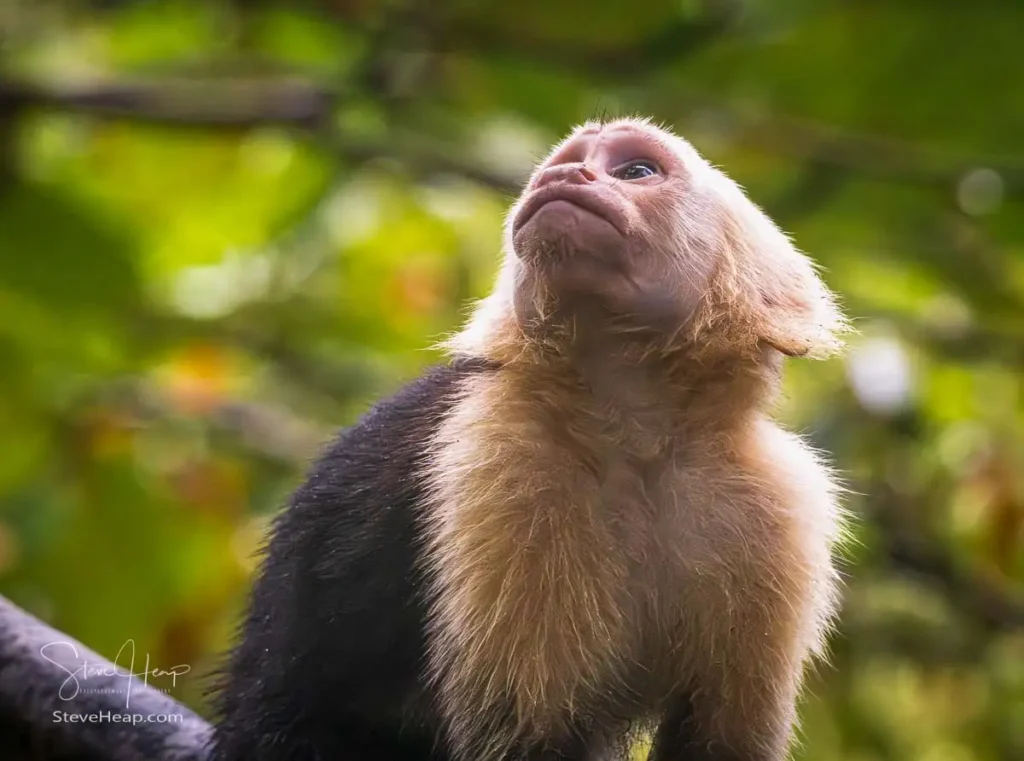
The rain finally stopped around 2pm and I was determined to find the monkeys that lived around the lodge – hoping for food from the kitchens, I guess. These monkeys are white-faced capuchin monkeys, and I had seen them the previous evening when going for dinner, but I spent almost two hours walking the paths and trails around the lodge looking for either birds or monkeys. I was about to give up when a cleaner pointed towards the water, and I saw the first one as it left a small tree by the water’s edge and made its way towards the buildings. It was pretty dark in the forest, but I managed to get some good clear shots of the animals.
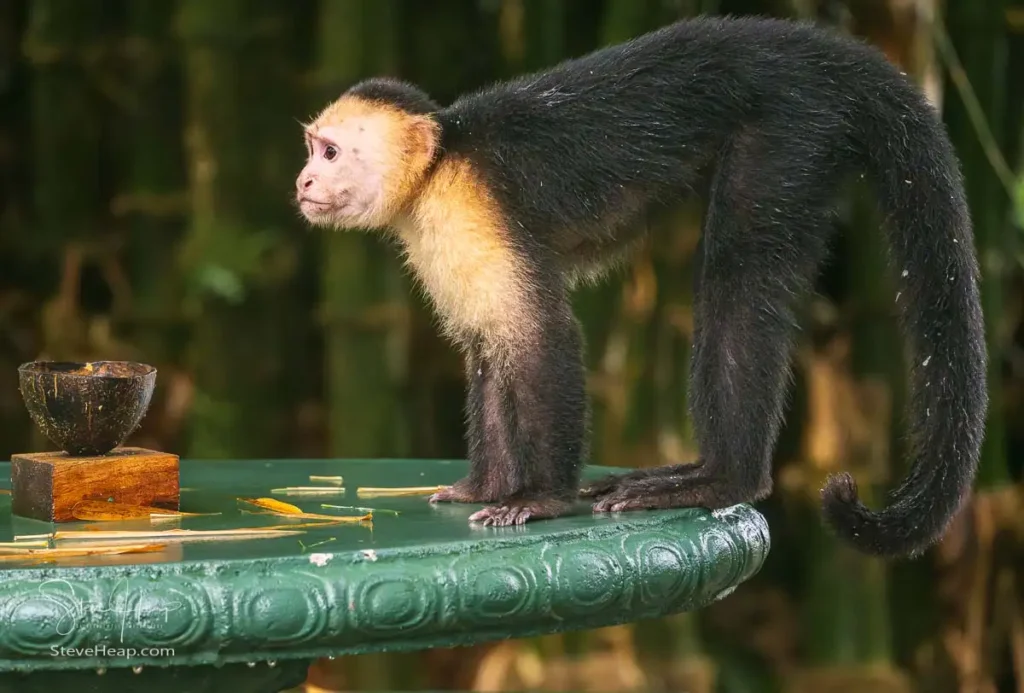
Luckily, I went back to the original tree and saw a whole group of the monkeys gathering on a fallen log leading to the shore and they were not at all interested in my presence. I thought this little family grouping showed how they intereracted.
I’ve got quite a range of these shots, but I’ll end with an interesting portrait of one of them looking up towards the branches. I’ve written a short extra article about the antics of these white-faced Capuchin monkeys here.
With that, I made my way back to the room to get ready for dinner and packing our somewhat wet clothes and shoes for the next stage of our journey – an early morning boat ride back to the outside world (about 90 minutes away) and then on the coach to the Arenal volcano.
Anne Diaz
19 Nov 2025Excellent summary Steve. Great photos. It made me think that I was there, oh yes, I was!
Steve Heap
19 Nov 2025Thanks, Anne, for taking the trouble to comment! I’m part way through the next episode now. Some of that might be familiar.