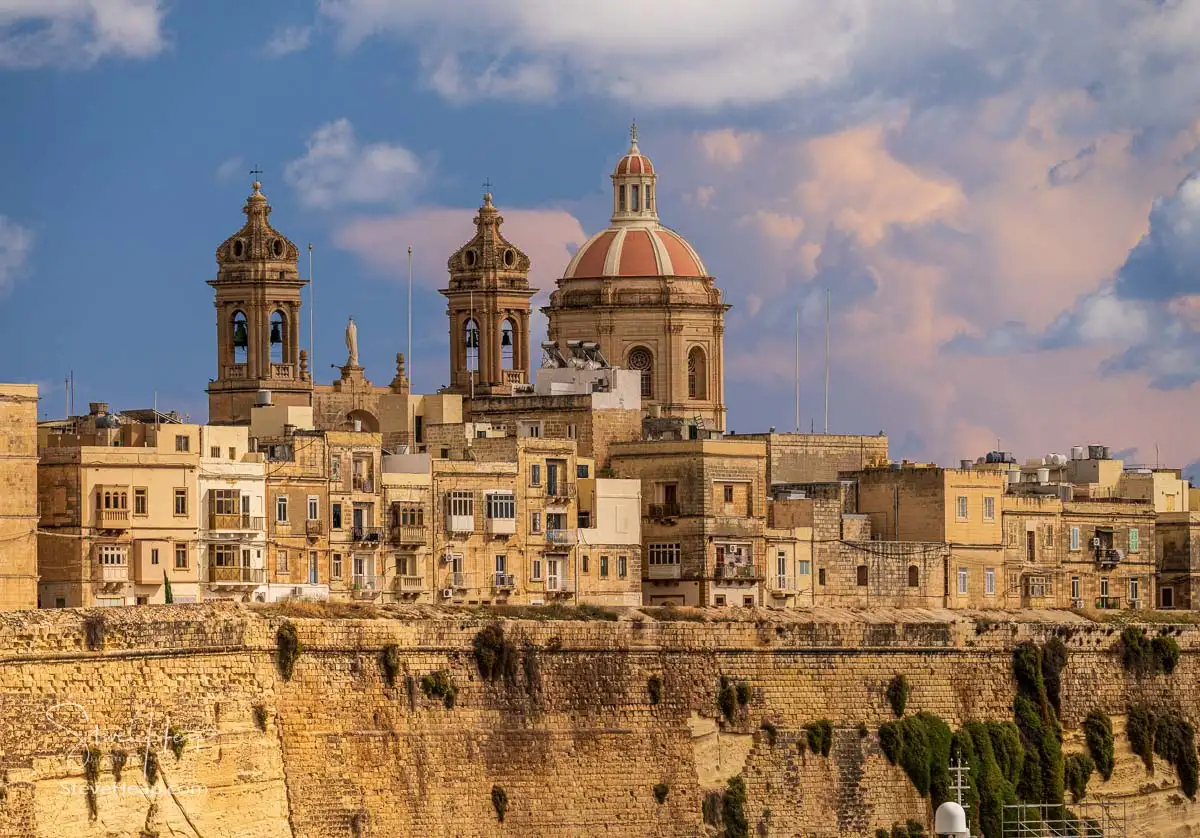
Sailing across the Western Mediterranean is like tracing the lineage of history itself. From the imperial marble of Rome to the sun-baked limestone of Malta, the blue-and-white clifftops of North Africa, and the vibrant coastal boulevards of Spain, this voyage on the Viking Vela brings together centuries of culture, dramatic landscapes, and coastal charm.
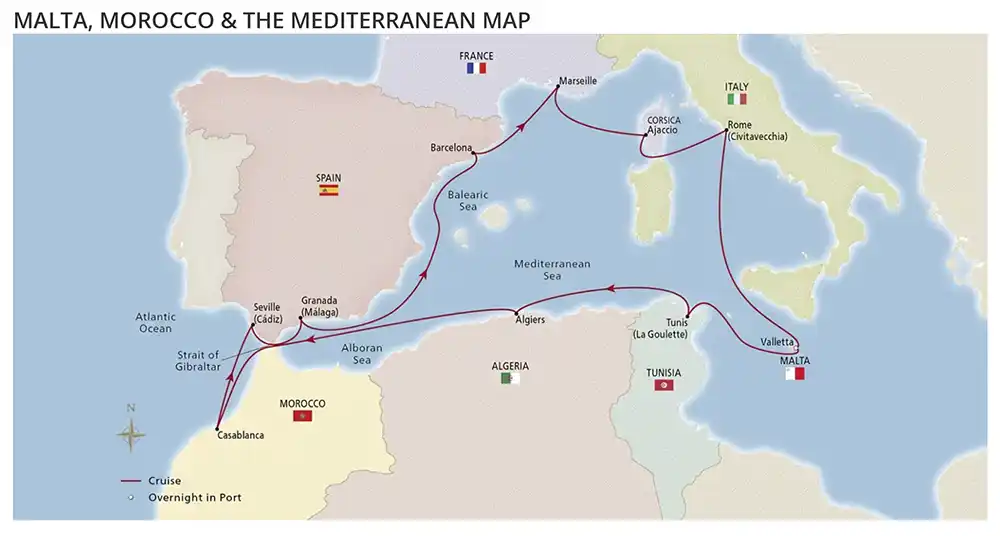
Crossing seven countries aboard one of the latest Viking ships, the Vela, this journey explores the ancient trade routes, Moorish citadels, and golden seaside towns that make this corner of the world so enchanting.
Overall Impressions of this Cruise
As regular readers know, I try to give an objective view of each cruise we have taken with Viking. The full index of all the cruises I have reviewed can be found here. This latest cruise, the Viking Malta, Morocco and Mediterranean voyage was taken in October 2026 and does rank among the best of the cruises taken so far.
In this article I will give an overview of the entire cruise and then in the coming weeks I will complete the story with individual articles about each of the ports visited, with details of the excursions we took in that port.
Money Tips
A common question – what money do I need to take? We found that cards are welcome in almost all places – although I saw someone with an American Express being asked if they had Visa. The main use of the Euros was for small purchases but mainly for tips to the drivers and guides we had. The currencies of the African countries cannot be converted back, easily, into dollars and so avoid getting those currencies if at all possible. I took about 100 Euros with me from the USA, obtained another 100 at an ATM in Barcelona airport and finally obtained another 100 Euros in Cadiz, Spain. I was tipping the drivers and guides around 30 Euros or so. I also used Euros to tip the room steward and her assistant on the cruise. Of course they will take dollars, but Euros are much more useful to everyone you will come across on this particular cruise. Any left over Euros will just be used the next time we go to Europe.
Barcelona
As the departure and also final arrival port, Barcelona is well served by international airlines and we arrived on Air Canada via Toronto arriving around 9:30am tired and ready for a relaxing day. The airport authorities had other ideas though – the line for immigration was endless and moved very slowly. We were herded into two parallel lines and of course, the other line seemed to move faster than we did! I did notice however that the disabled people were moved in wheelchairs alongside our line and occasionally, some older people were selected and asked to follow the wheelchairs. After about 40 minutes in this line, I decided to play on my age a little and look particularly weary as the next batch of wheelchairs came along – and we were selected for this special treatment and shown to a real immigration person and were quickly through to collect our luggage. I’m told the time in the line stretched to about 90 minutes for some!
The Viking people were there to greet us, of course. Although we had booked our own flights, we had chosen to take the Viking transfer as the boat was not docked in Barcelona – it was in Tarragona, about 60 miles away! We were asked to wait in a corner of the arrivals hall awaiting our coach. Unfortunately, that was almost an hour standing around with little to no information about what would happen next. No seats available, of course!
After the coach finally left, we were lined up once again outside the port building for another 15 minutes before we were allowed to enter. I’m sure this was not Viking’s fault, but it was one of the worst arrival experiences we have had.
Tarragona
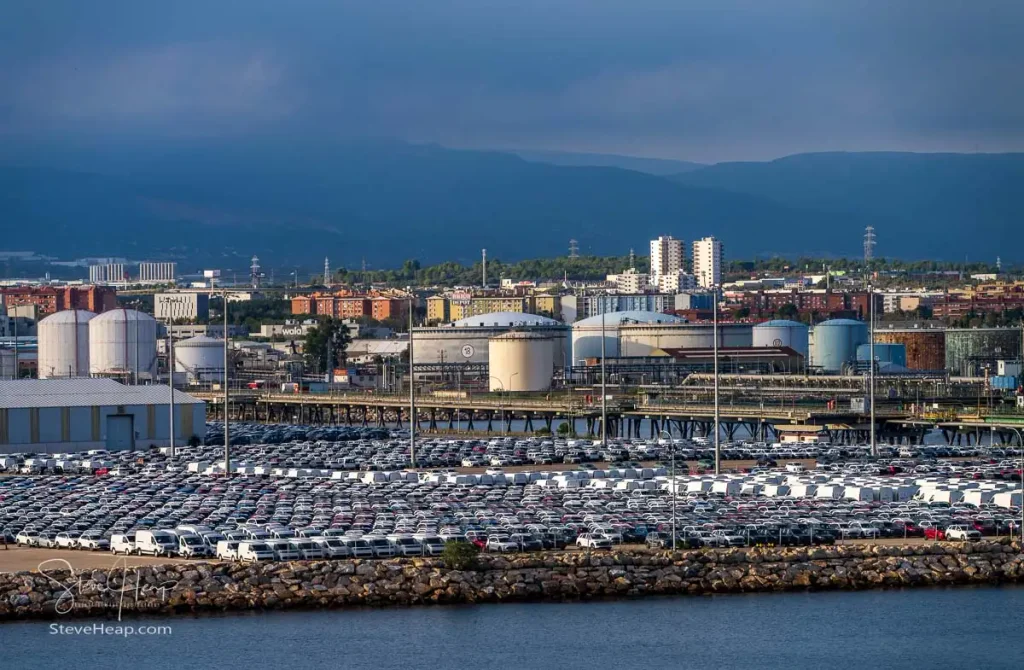
Tarragona is quite an impressive city with a lot of history, but the docks at Tarragona showed us none of that. Luckily, we were departing at 6pm that day, which was for the best!
Marseille, France
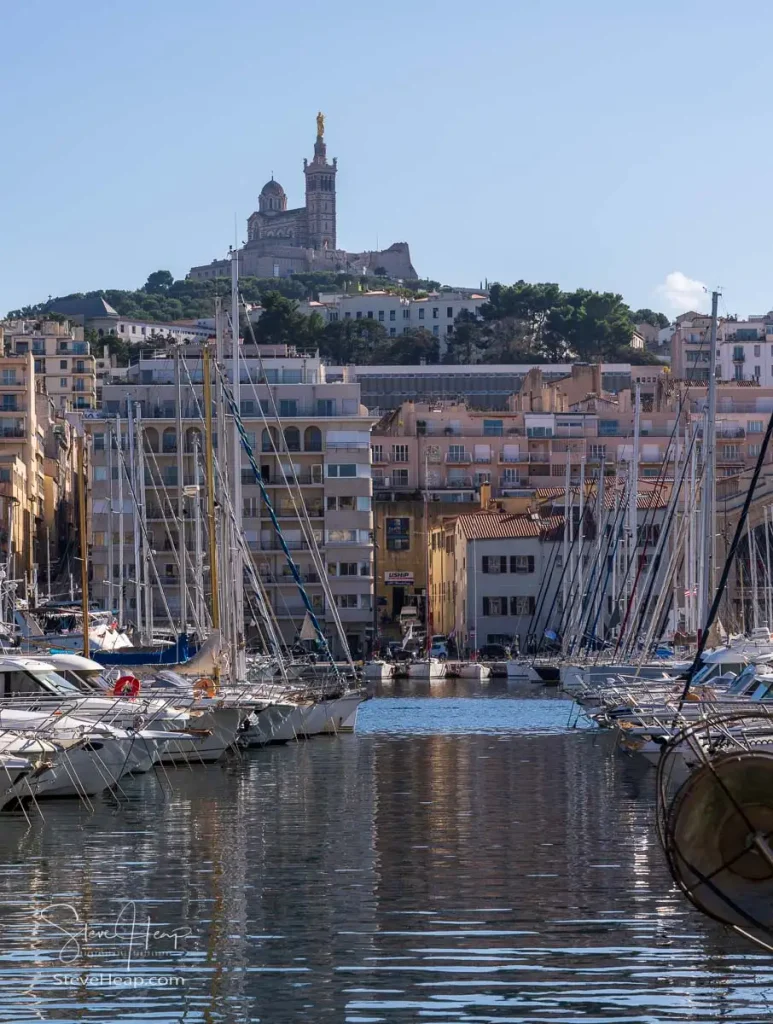
We spent the first full day of the cruise in Marseille. Of course, the port itself is large and industrial, but a shuttle took us rapidly into the historic area of the city. Although there were excursions deeper into France and to Avignon, we are visiting there next year and chose the included walking tour of the Panier District – once a working-class area of the city that has been gentrified in recent years. If I have one complaint about the organization of these walking tours it is that some people over-estimate their ability to keep up with the guide and the tour gets shortened to compensate. This happened in this city as the guide decided to avoid some of the steeper streets! But it was still an interesting and impressive tour.
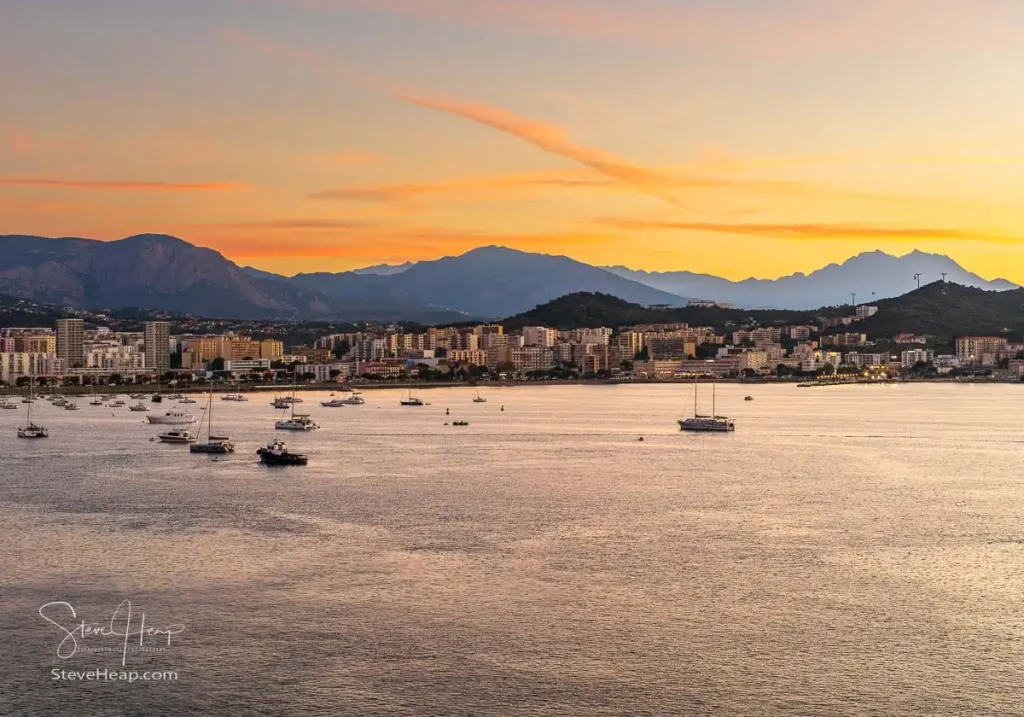
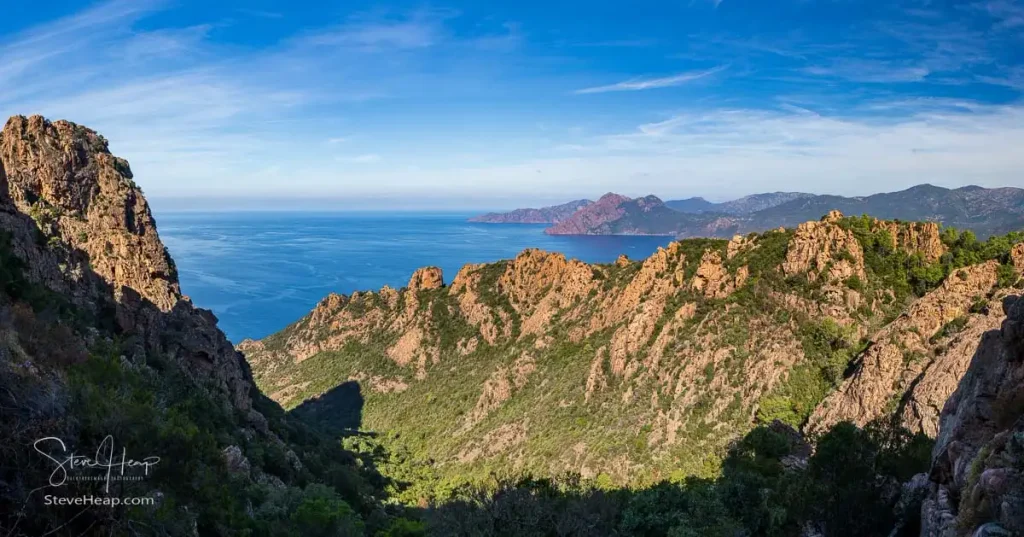
Ajaccio, Corsica
Although we have been on many cruises, we have not really explored excursions operated outside the Viking offerings. We had not been particularly impressed with the range of excursions when we were first offered them and so this time, we decided that we would make private arrangements in three of the ports and cancel the Viking ones we had reserved. Corsica was the first and we had a private driver meet us at the port gates and drive us to the key sights in a 5-hour tour. I’ll write much more about this in the full day article, but it worked out perfectly – plenty of time to see things and no risk of missing the ship departing at 5pm.
Civitavecchia (Rome)
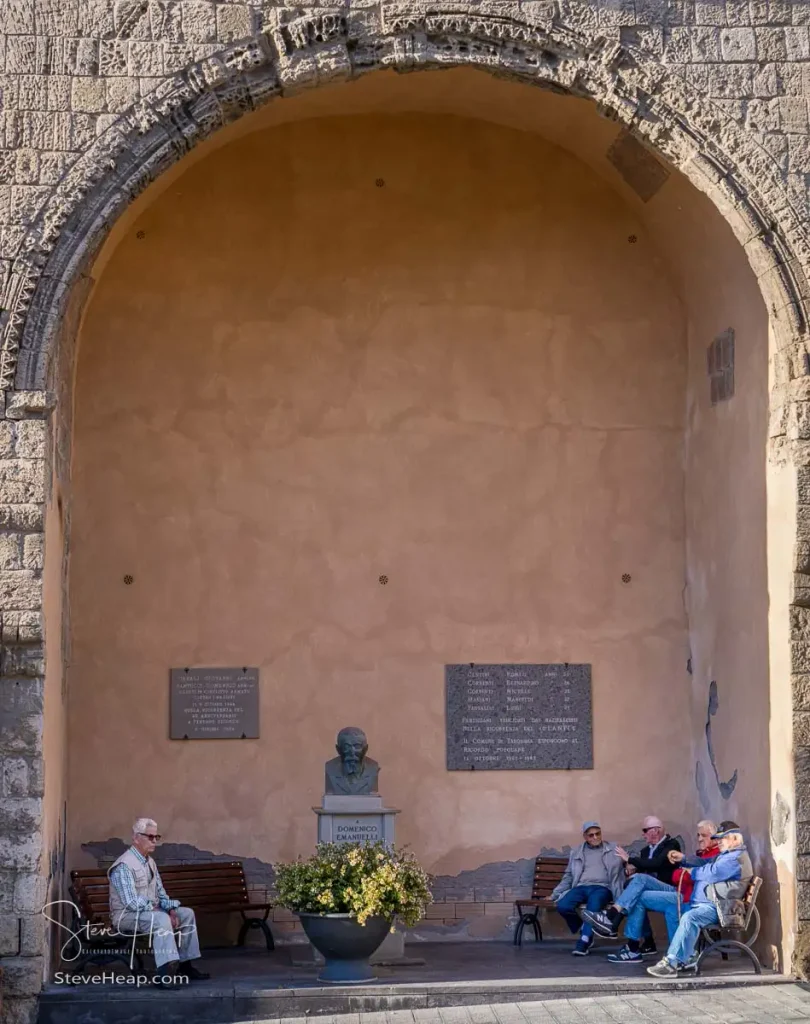
Rome is actually some distance away from the port although many passengers made the long journey to see this famous city. One of the included tours was a panoramic visit, but the other included tour was to a location that was certainly unknown to us. The remains of the Etruscan civilization from the hills around the port. This one turned out to be fascinating as we visited the underground tombs that they built and used and then the Tarquinia National Museum where many of the artifacts found in the tombs are displayed. If you don’t fancy the long trip to Rome (or have been there before), this tour is well worth considering. This photo, taken in Tarquinia amused me – I think I will title it – “Is it something I said?”
Valletta, Malta
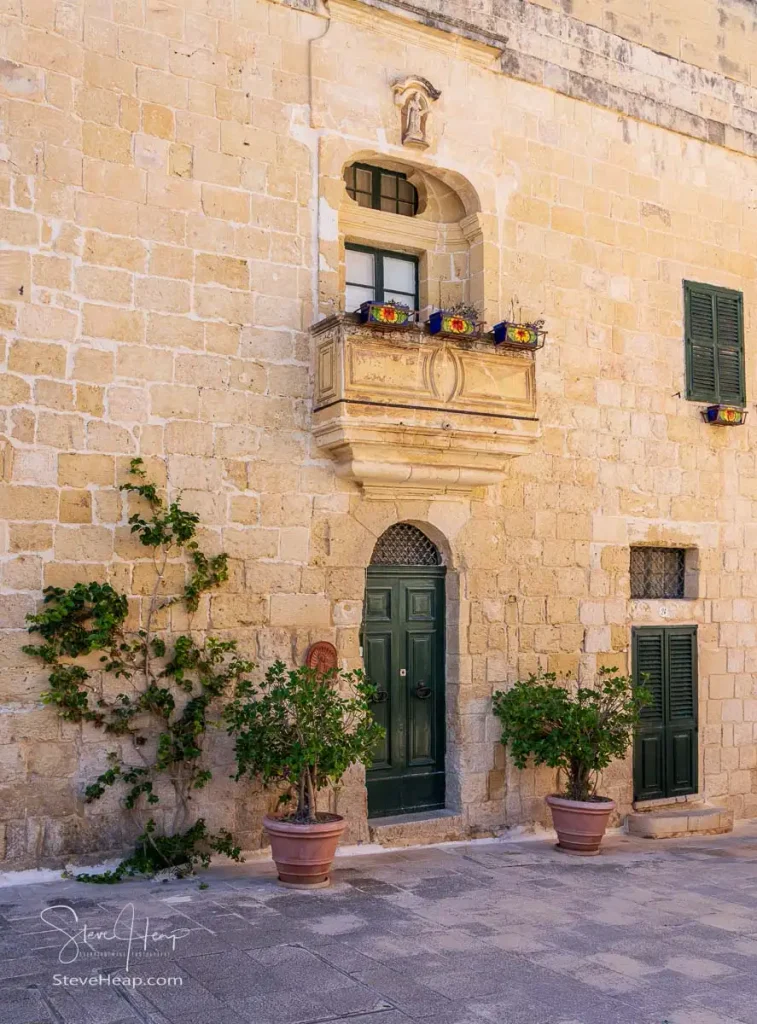
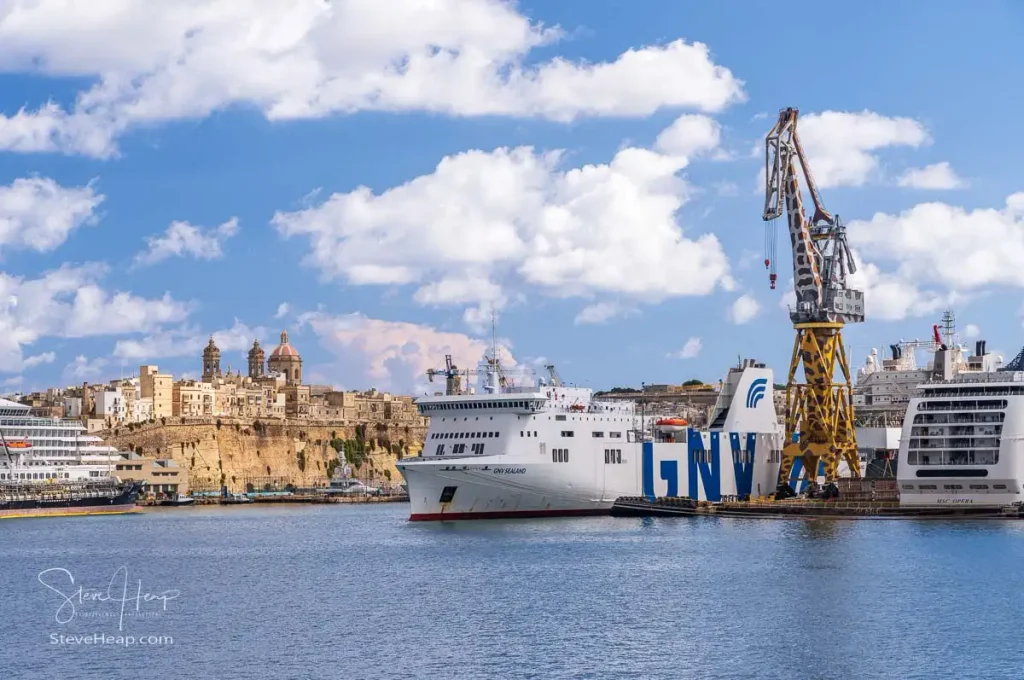
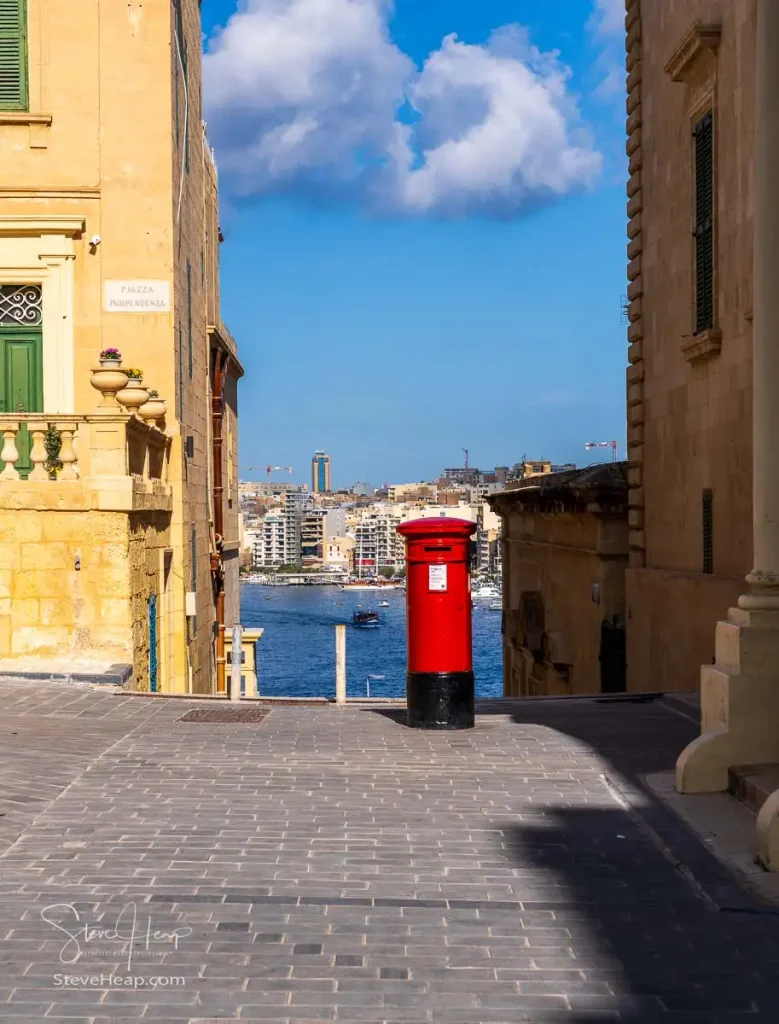
We had an overnight in Valletta, and so that was a perfect opportunity to break with tradition and take our second private tour. We had visited Malta in the 1970’s and had fond memories of that vacation, so we organized an 8- hour drive around the main sights of the island from the Silent City of Mdina, the church hit by a German bomb that miraculously did not explode during a service, a detour back into the heart of Valletta to visit the cathedral, a fishing “village” and much, much more. The driver was full of interesting information as well. On the second day, we did take the included walking tour of Valletta to round off our visit.
Tunis, Tunisia
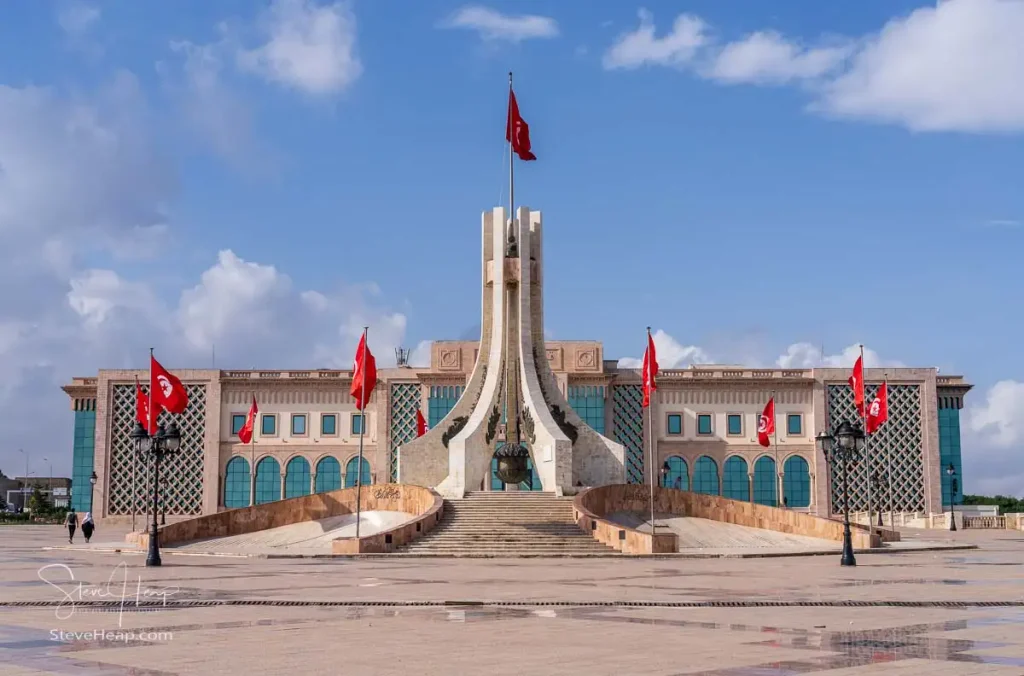
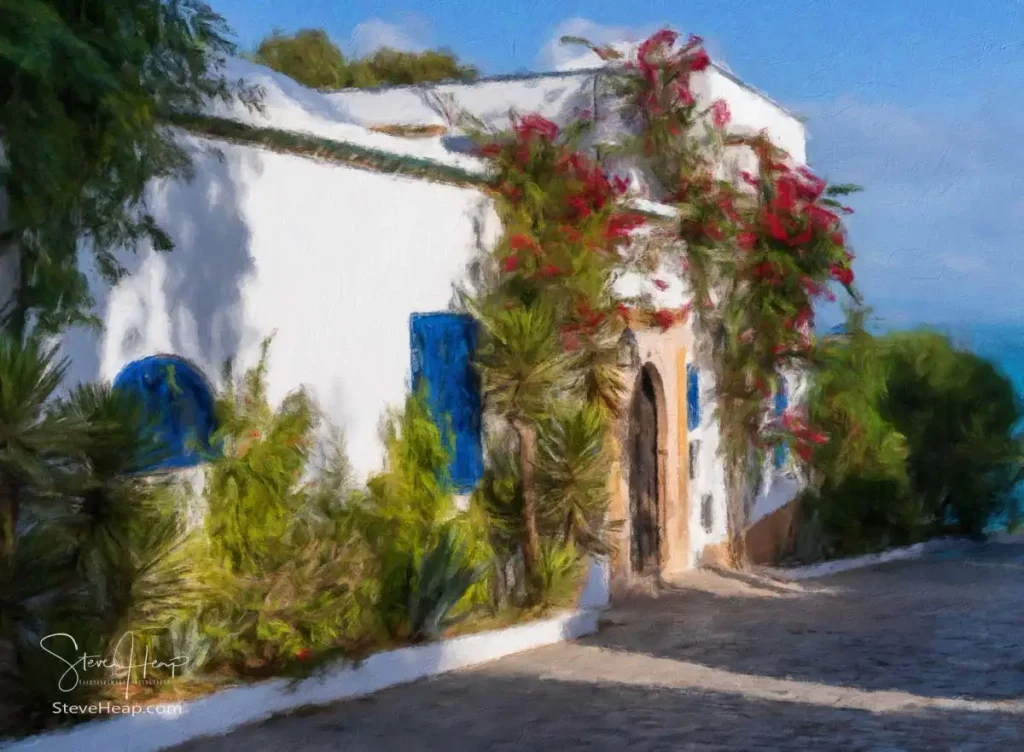
Another place we had visited in the 1970’s and boy, had this city changed! The basic French design remained, but we remember empty boulevards, now filled with traffic. I took a walk using the shuttle in the morning, through the Souks of the Medina to the Kasbah square thinking I could just return via the same narrow shopping street I had used. Of course, I couldn’t – I ended up in a different part of the city and had to thread my way through those narrow shopping streets again to find my way back to the shuttle! The afternoon was the included walking tour of the enchanting clifftop village of Sidi Bou Saïd which stands perched high above the Gulf of Tunis. Famous for its striking blue doors, intricate wrought-iron window grills, and dazzling whitewashed buildings, it is a painter’s dream.
Algiers, Algeria
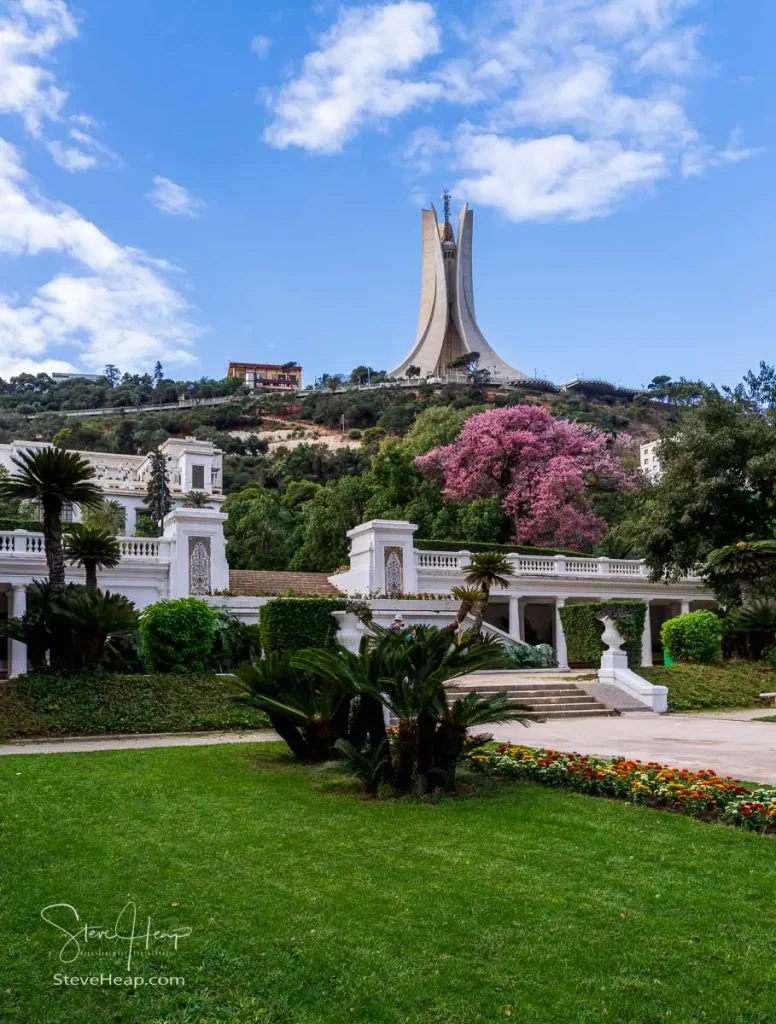
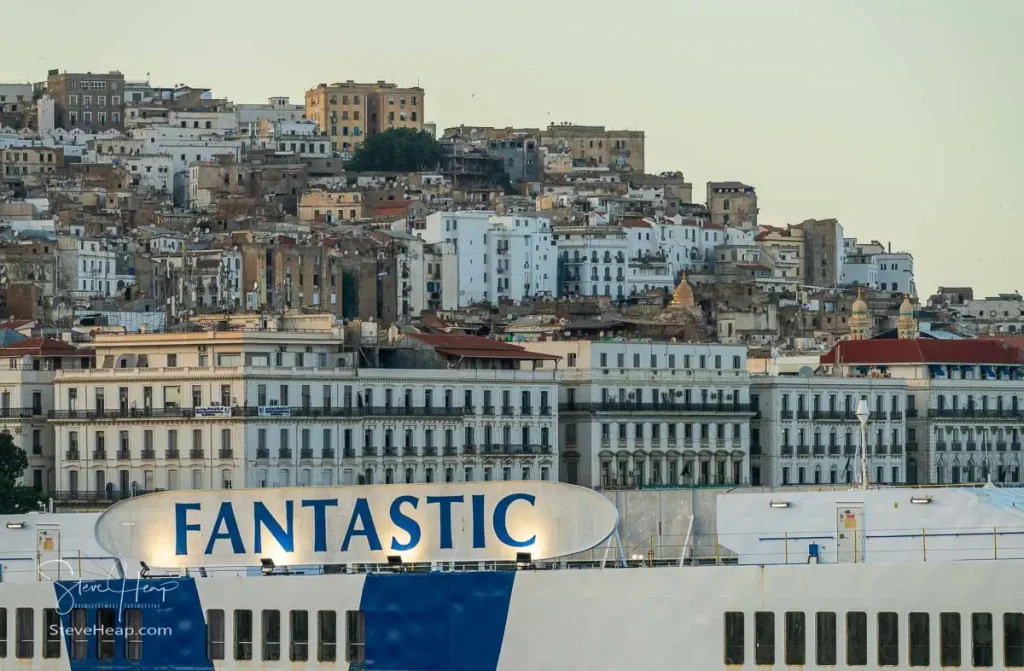
This was unusual to say the least! No-one is allowed to wander on their own in Algiers and all five coaches making up the first visit to the botanical gardens were led by police cars from the ship to the gardens and we were carefully monitored during our trip. The guide said it was because traffic could be bad in the city but it did seem a little extreme. Nice gardens though and plenty of spare time of the ship in the afternoon admiring the French architecture of Algiers rising up the hillside.
Casablanca, Morocco
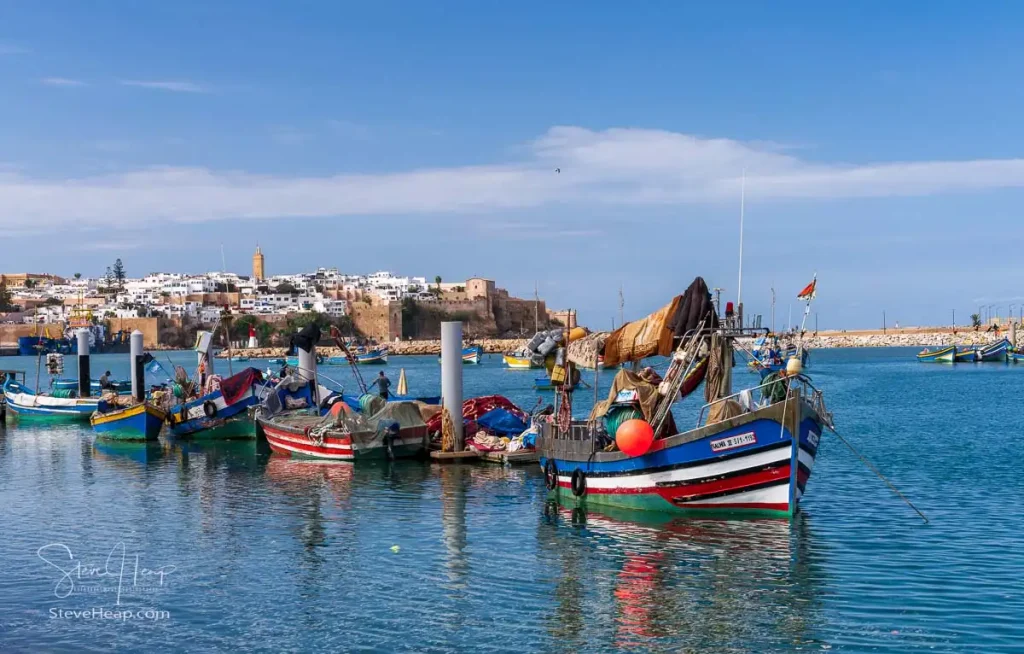
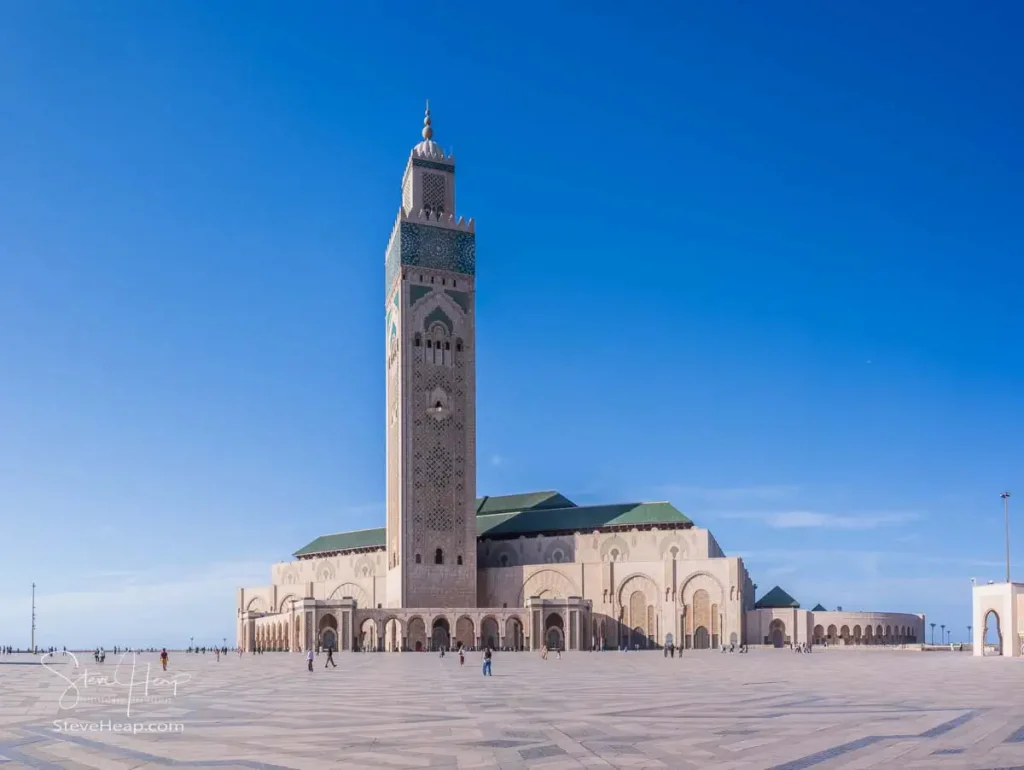
Our third private tour here. There was a coach trip to Rabat, the capital of Morocco, but we opted for an 8-hour private car trip to the city with a 3-hour tour with a local guide of this historic city. It really worked well. The driver was there to pick us up and drive to the next location in the city and the guide allowed plenty of time to explore and take photos as he explained the history and customs of Morocco. Rabat is particularly clean and well organized with many new buildings for museums, conference centers, hotels and an immaculate new railway station. On the way back, we added a visit to the modern mosque on the sea front of Casablanca before returning to the ship.
Cadiz, Spain
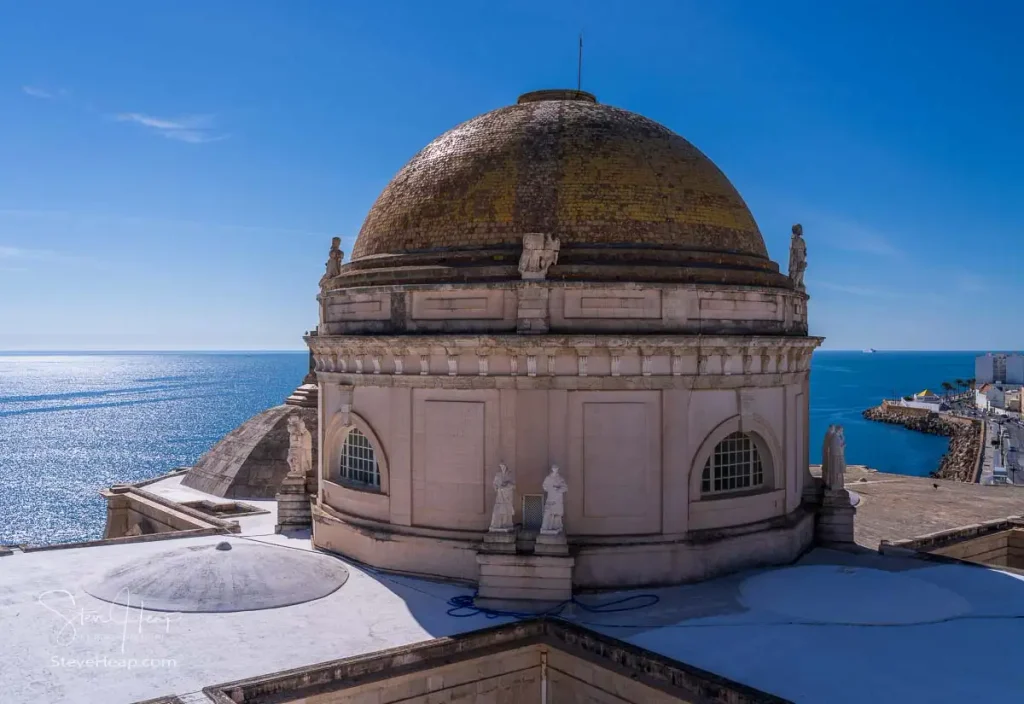
Once again, we took the included walking tour of this city by the ocean. The visit allowed a climb up the steep curving path inside one of the cathedral towers for a perfect overview of the city from above.
Malaga, Spain
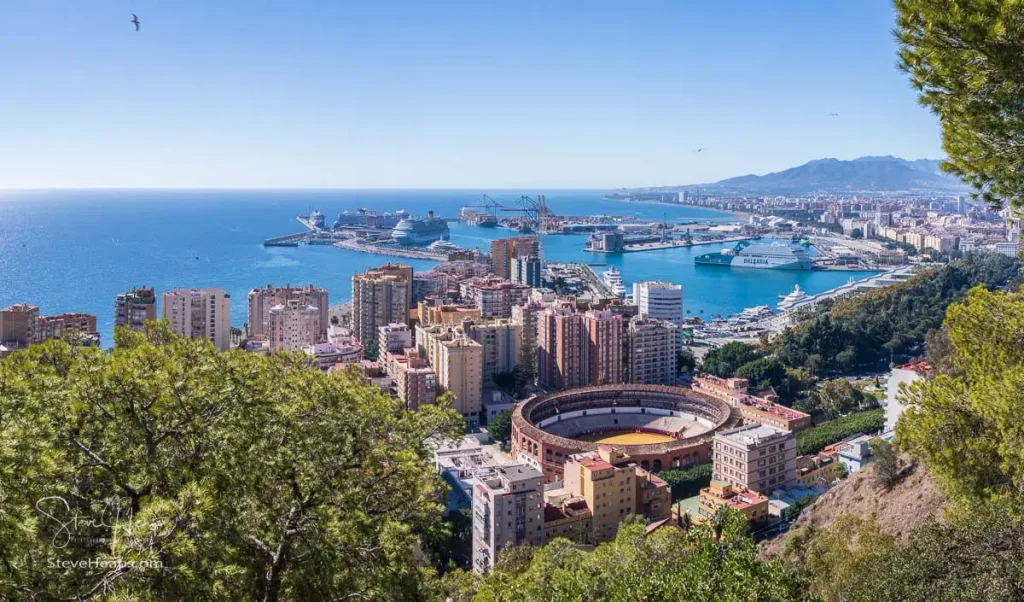
Our final port was the popular tourist city of Malaga, with many comprehensive tours to the Alhambra Palace in Granada, or the dramatic hilltop town of Ronda. As we had visited both of those in the past, we opted, once again, for the panoramic tour up to a high overlook over the city and an interesting walk through the old streets of the city. I took the shuttle back into the city in the afternoon to visit the interior of the cathedral and a partial walk of the walls. If you ever wonder why Viking cruises tend to be more expensive than others, you should have seen all the Celebrity passengers making the mile long walk along the port roads towards the city rather than use the shuttle that was a paid option for them!
Sitges, Spain
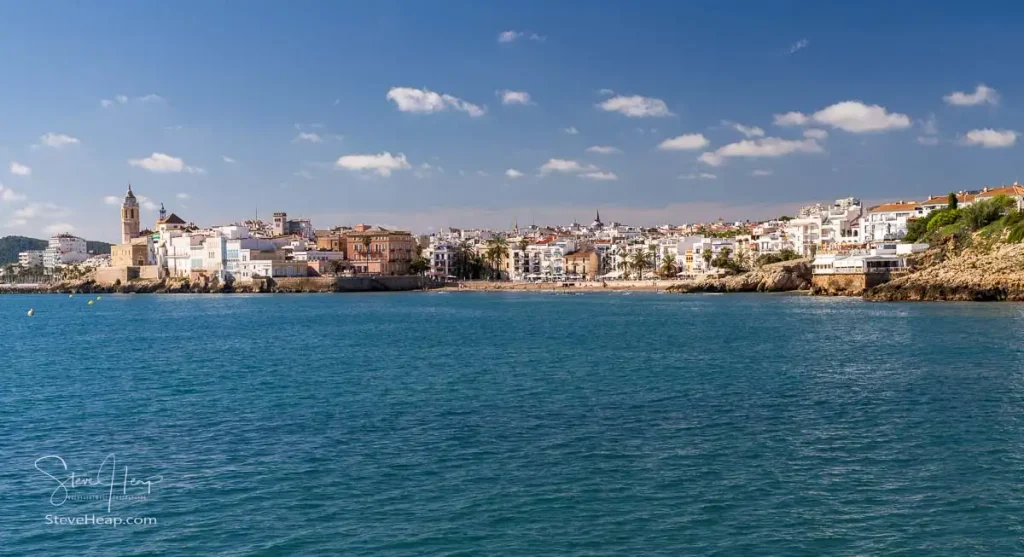
After our ship docked early in Tarragona, we left at a leisurely pace at 9am for our own final adventure. Our United flight via Washington DC left the day after the cruise ended, so we took a car to the small town of Sitges on the coast near the Barcelona airport. With a hotel on the sea front and a fascinating historic town to explore, it made a perfect end to the cruise.
Bringing the Journey Home
From ancient harbor fortresses to quiet whitewashed backstreets, this cruise across seven nations offers an unforgettable tapestry of Mediterranean sights, colors, and memories.
Over the coming weeks, detailed day-by-day travelogues with my recollections of each port with my favorite photos will be published here on Backyard Image. Please register if you wish to be informed when each article is completed.


