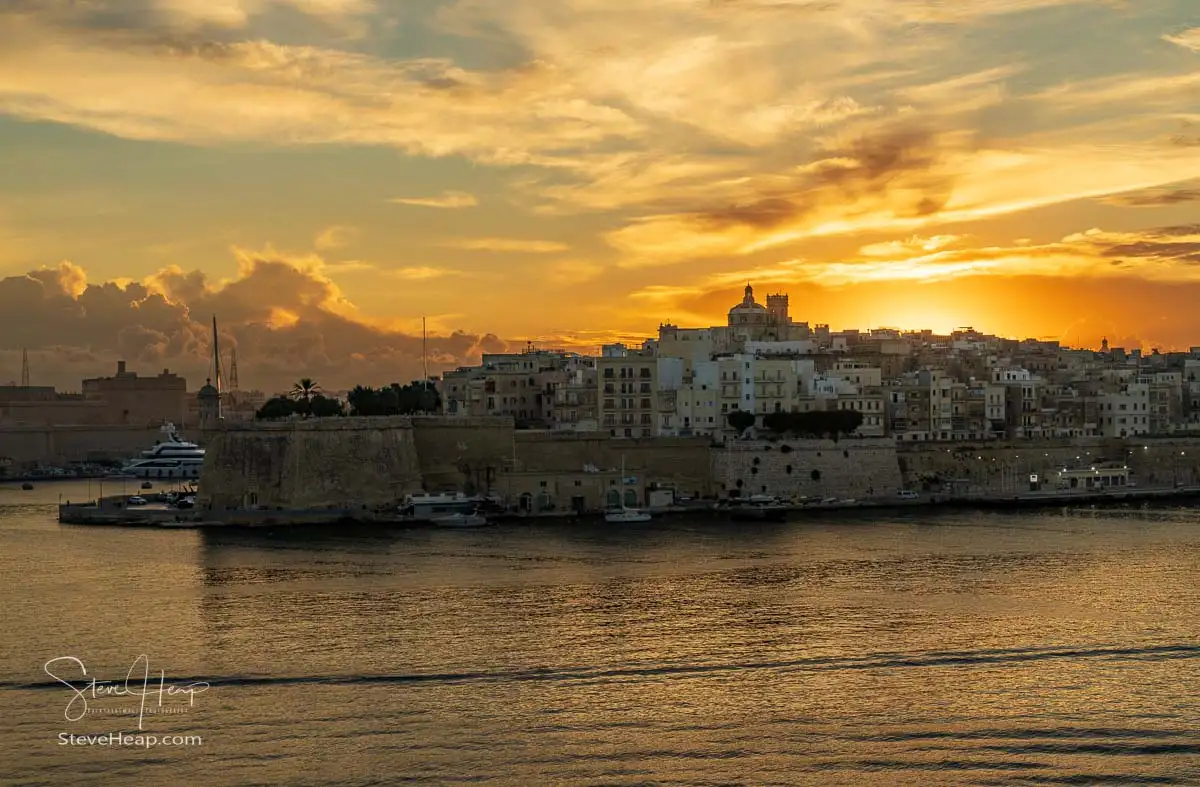
One of the great rewards of an overnight port call in Malta is waking up already moored beneath the golden bastions of Valletta, with no morning rush for tenders or long-distance buses. Before breakfast, we stepped out to watch a fiery sunrise spill orange and gold across the clouds behind the Grand Harbour fortifications, painting the calm harbor water in warm reflections.
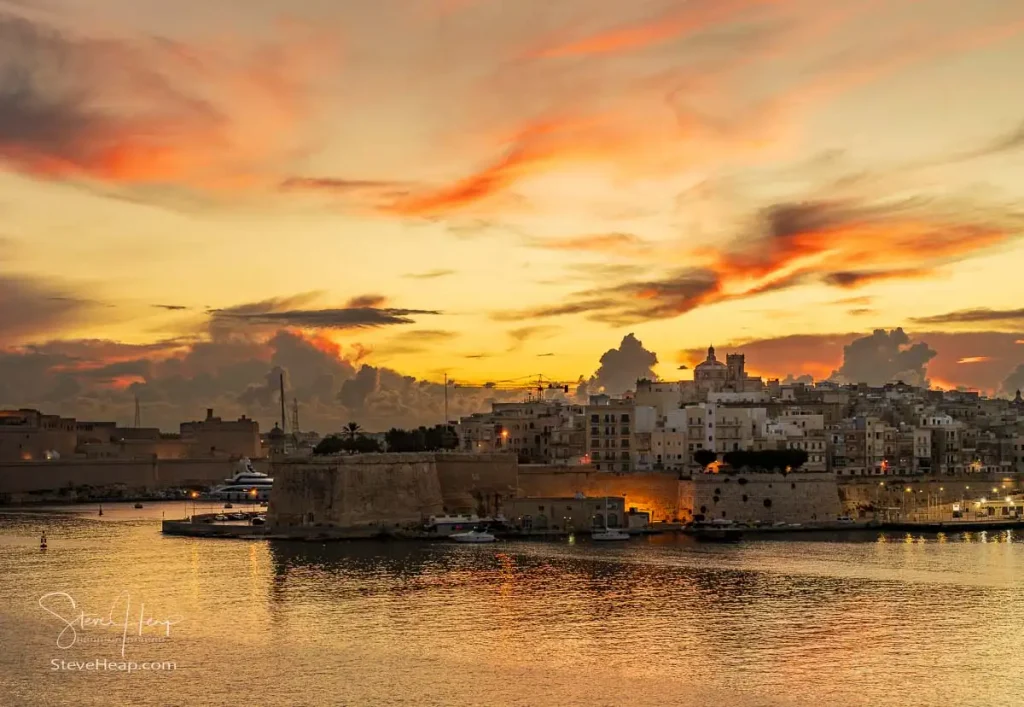
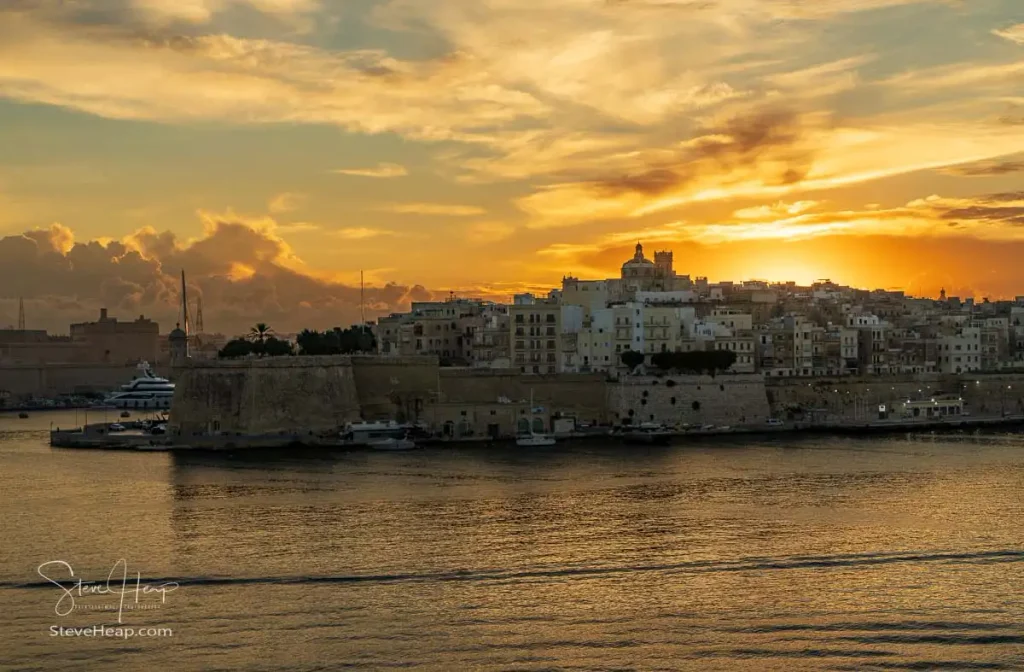
Having spent Day 1 circling the island with a private driver, we kept our second day focused entirely on the capital—joining Viking’s included “easy” morning walking tour to get oriented before breaking off on our own to explore Valletta’s steep streets at our own pace.
From the Triton Fountain to the Upper Bastions
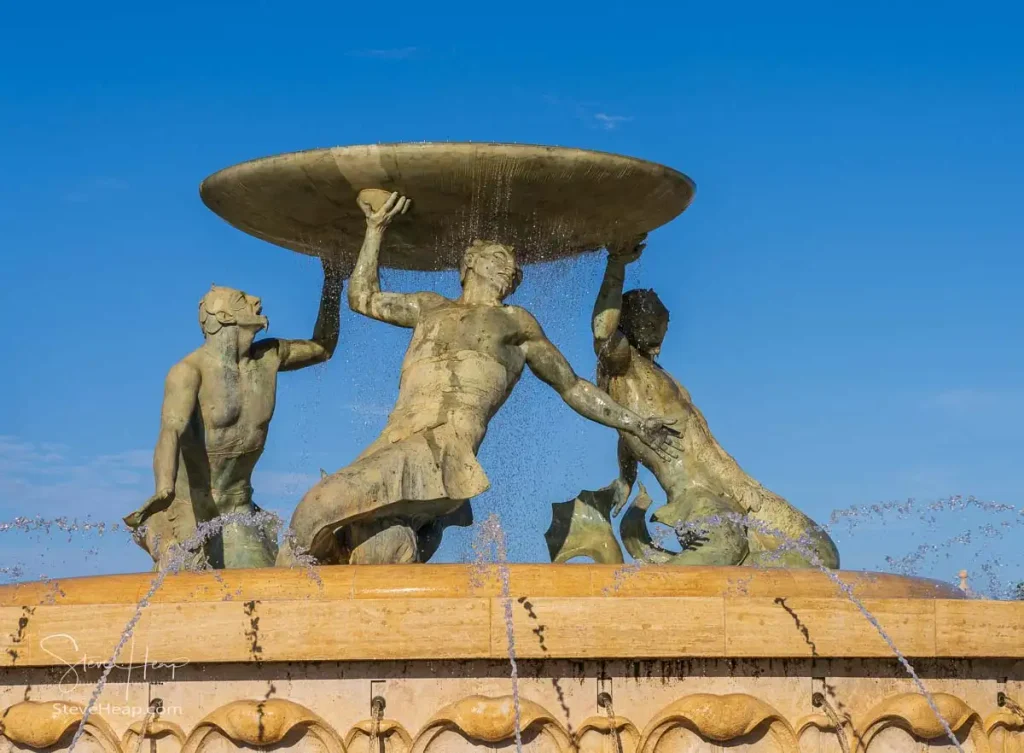
Because Valletta sits high on a rocky peninsula above the cruise terminal, the included excursion began with a short coach ride up the hill to the Triton Fountain—the monumental bronze group of three sea gods holding aloft a vast basin just outside the City Gate.
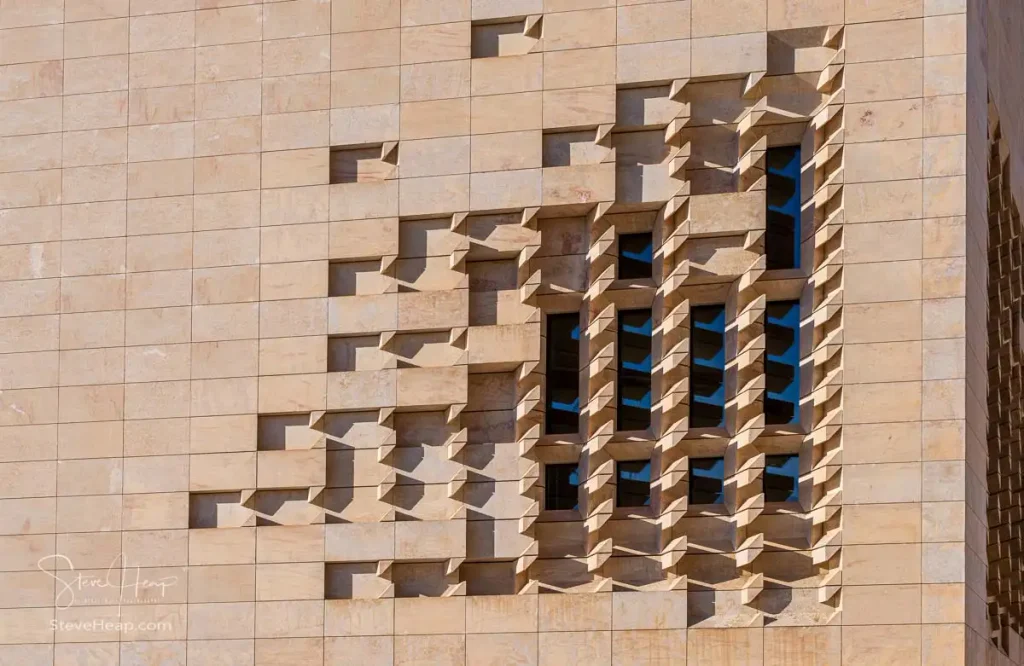
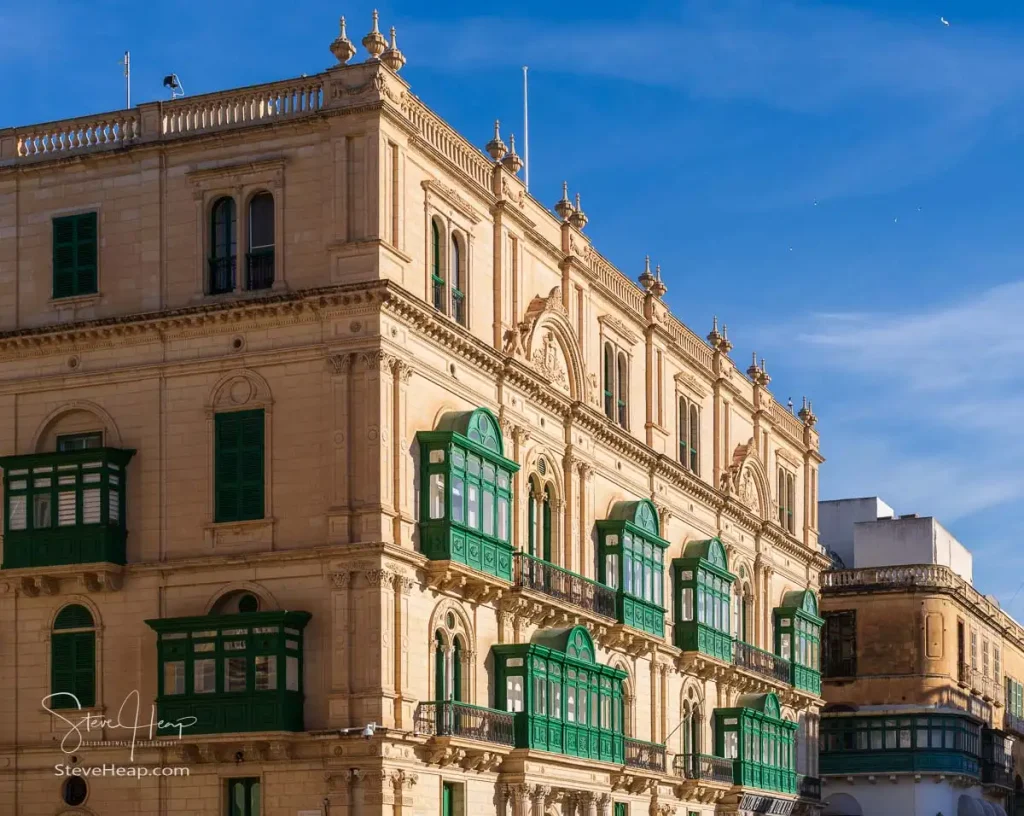
Stepping inside the fortified entrance, Valletta immediately showcases its blend of centuries-old grandeur and modern design. Directly across from Renzo Piano’s contemporary Parliament House—whose geometric facade is carved from perforated blocks of local limestone engineered to deflect the harsh Mediterranean sun—stands the late-19th-century Palazzo Ferreria. Built on the site of the Knights of St. John’s old iron foundry, this Venetian-influenced palace is famous for its sweeping rows of ornate dark-green wooden balconies (gallariji).
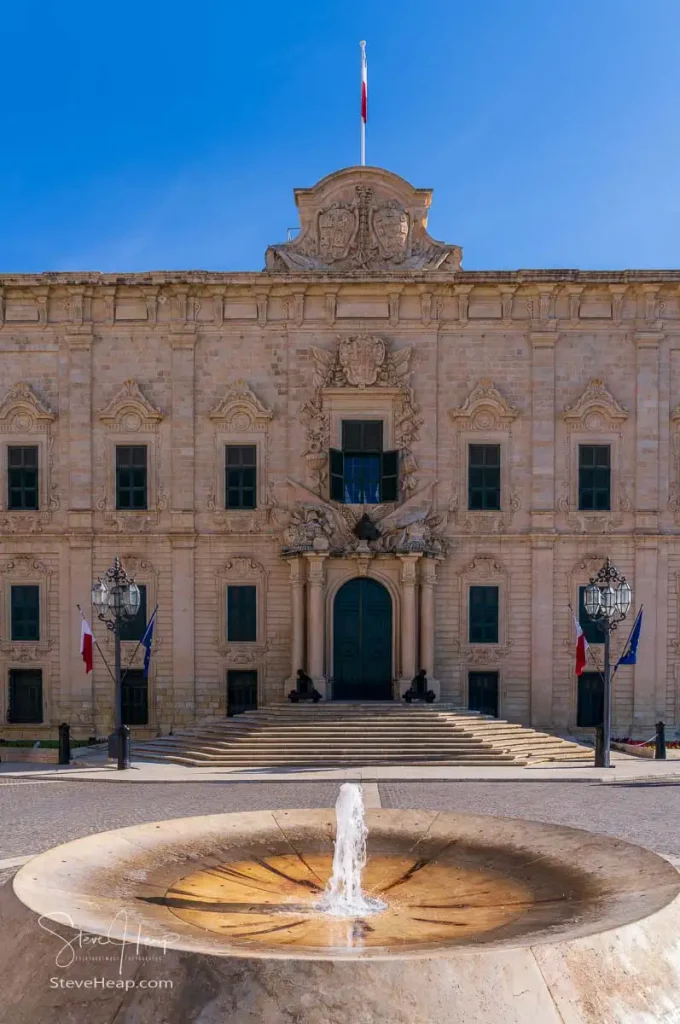
A short walk uphill brought us to Castille Square, dominated by the imposing Baroque facade of the Auberge de Castille—once the seat of the Knights from Castile, León, and Portugal, and today the official office of Malta’s Prime Minister.
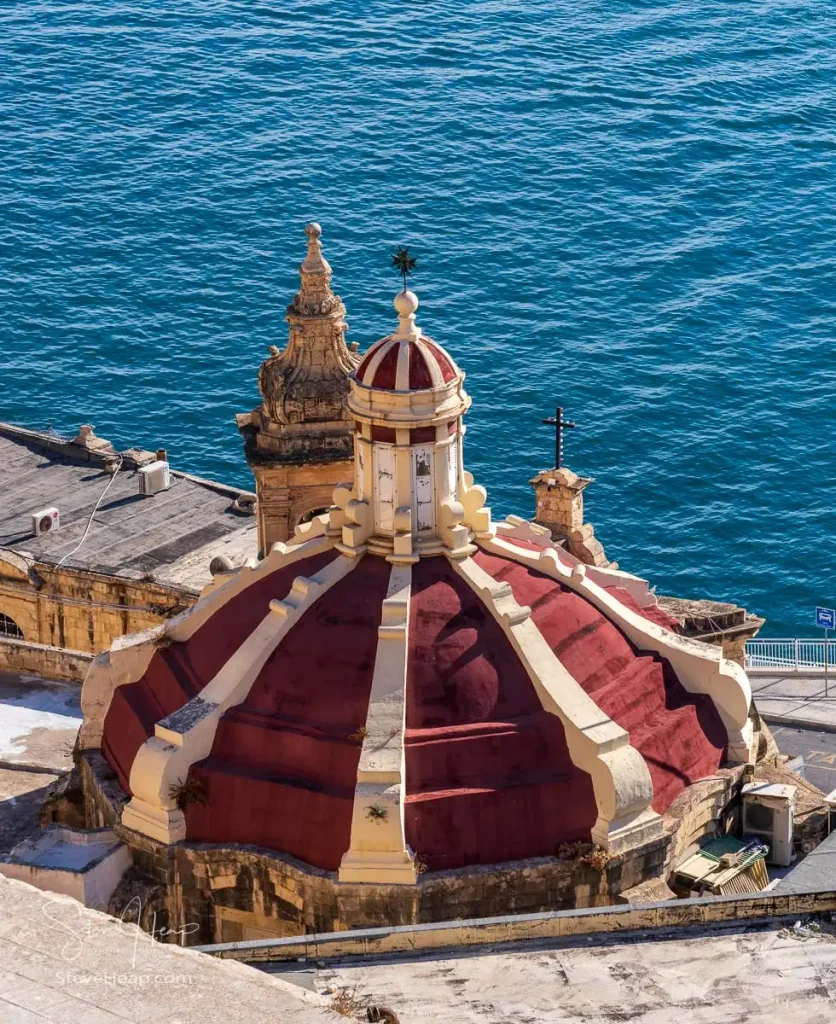
Just beyond the square, from the high bastions overlooking the Grand Harbour, we looked down on the distinctive burgundy-and-white ribbed dome of the 17th-century Church of Our Lady of Liesse, perched right above the deep blue water.
Breaking Off on Our Own: From St. Paul’s Pro-Cathedral to the Grand Master’s Palace
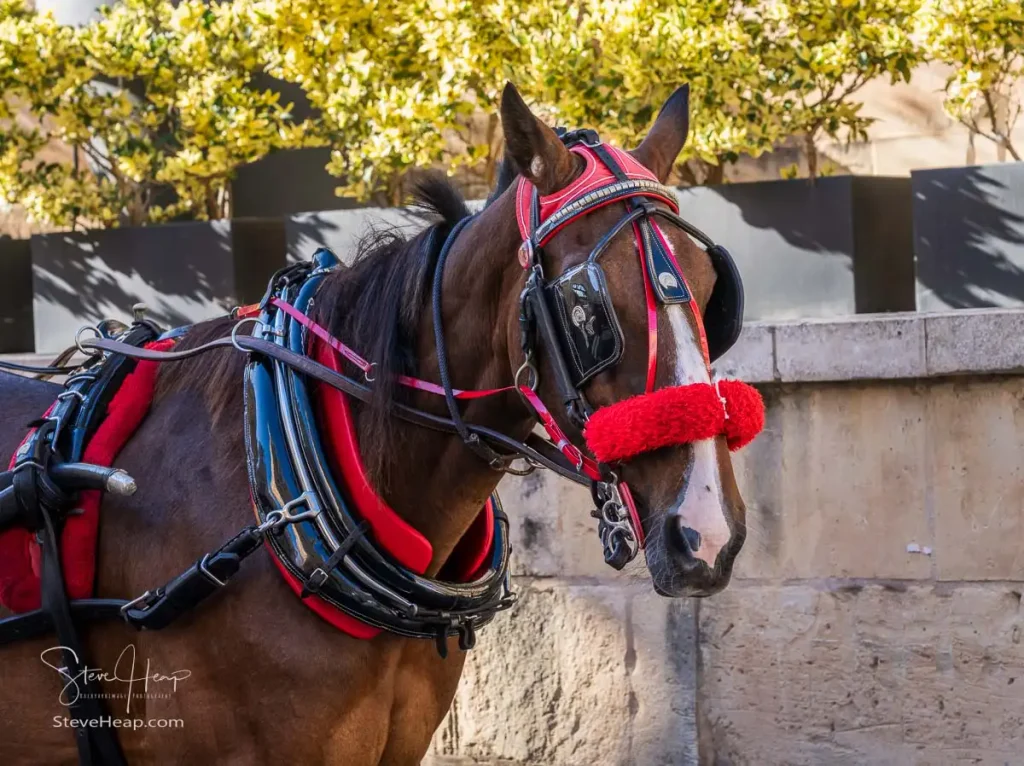
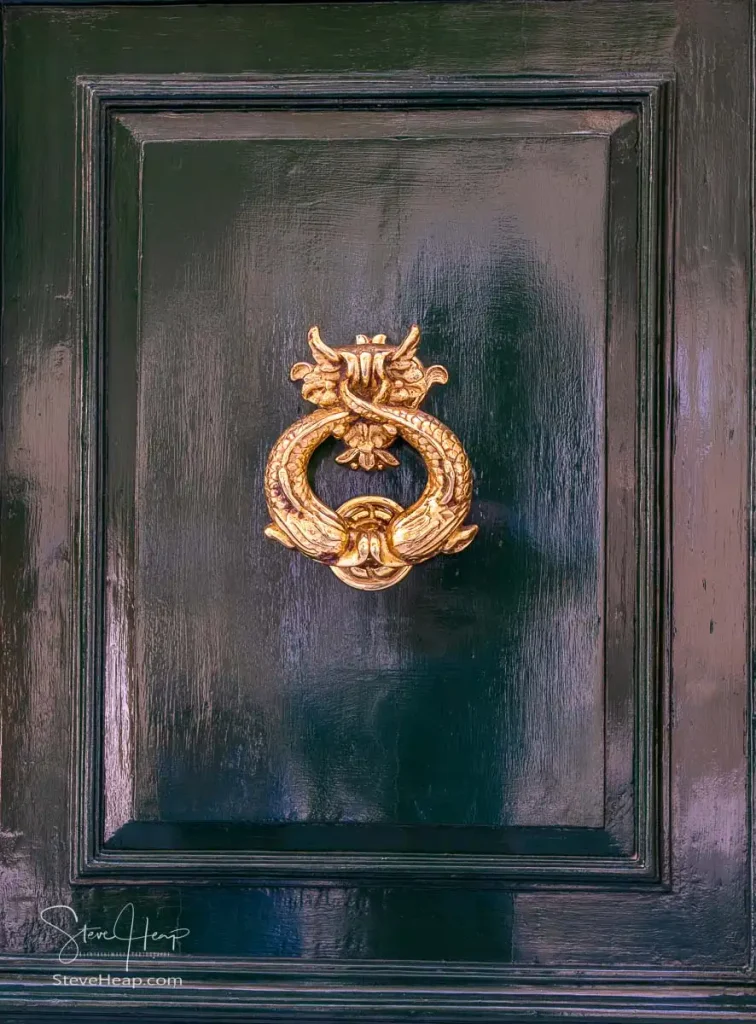
Once the guided tour had introduced the main squares, we slipped away from the group to wander Valletta’s grid of quieter side streets on our own. Exploring on foot at a slower pace made it easy to catch small, unscripted vignettes of daily life—from traditional karozzin carriage horses decked out in bright red-and-blue harness trim and polished brass sea-creature door knockers, to a ginger-and-white cat sound asleep on the warm seat of a parked scooter.

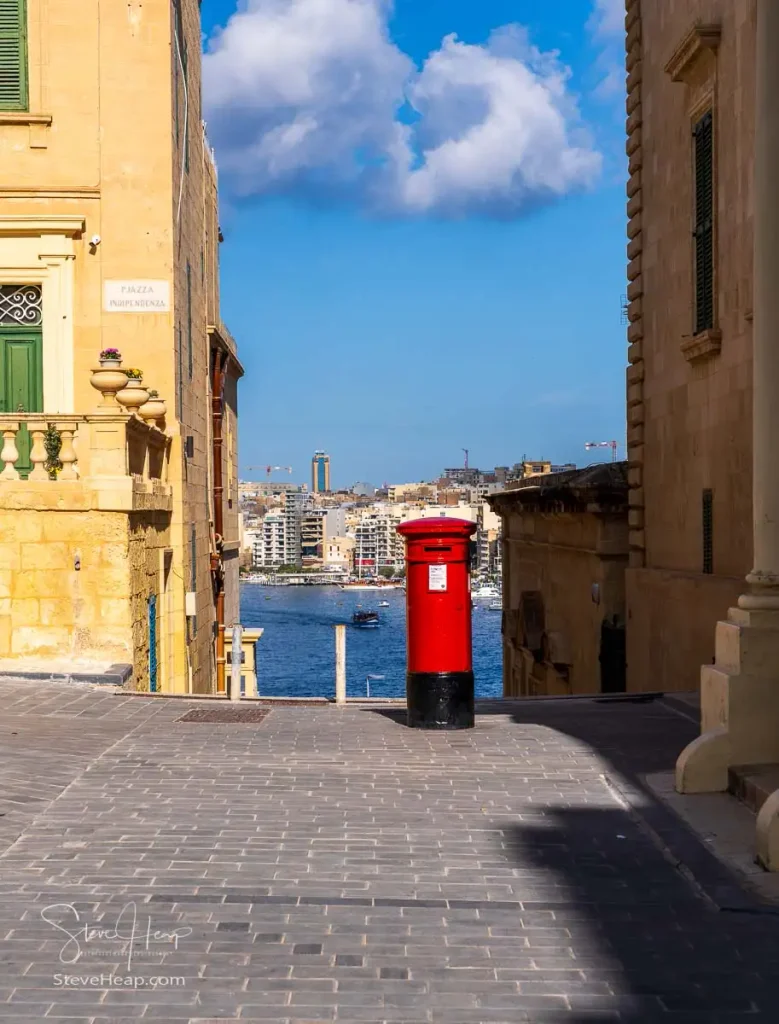
Getting further into the city we came across a classic British red pillar postbox framing a glimpse of the harbor at the foot of a steep lane.
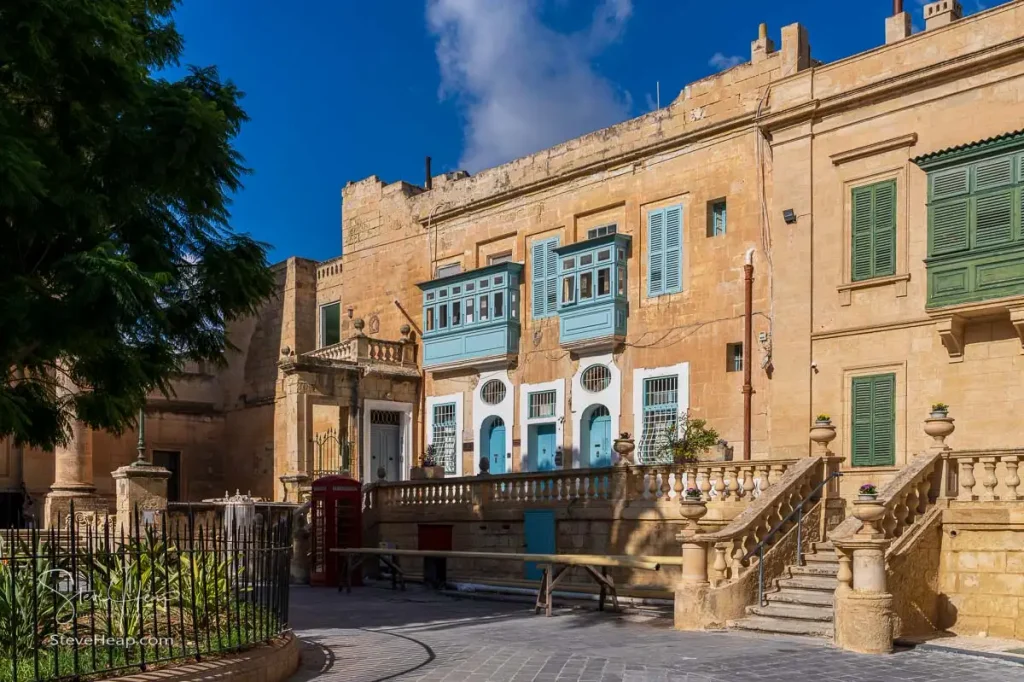
Making our way toward the side of the peninsula overlooking Marsamxett Harbour, we passed an elegant honey-colored townhouse with pale-blue wooden balconies and curved stone staircases. If you look closely, you will see that other example of the British history on the island – a traditional phone box just hiding in the shadows.
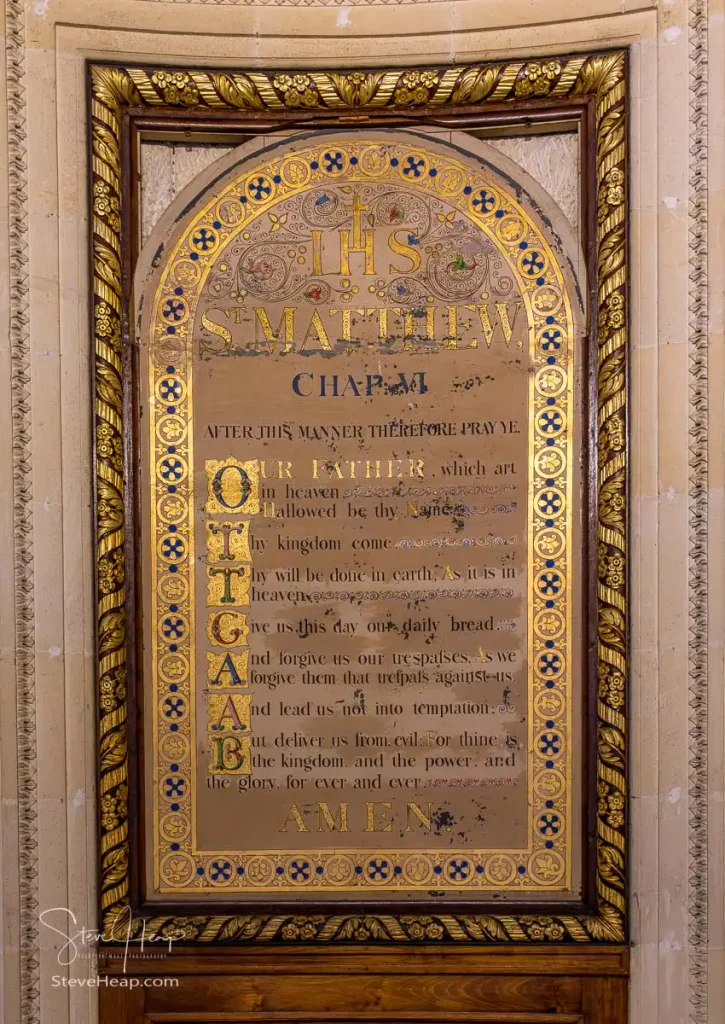
This was standing right next to St. Paul’s Pro-Cathedral, Valletta’s historic Church of England church. Stepping inside, they were preparing for the morning services and we quietly explored some of the details, including this ornate, gold-framed calligraphic display of the Lord’s Prayer mounted on the wall.
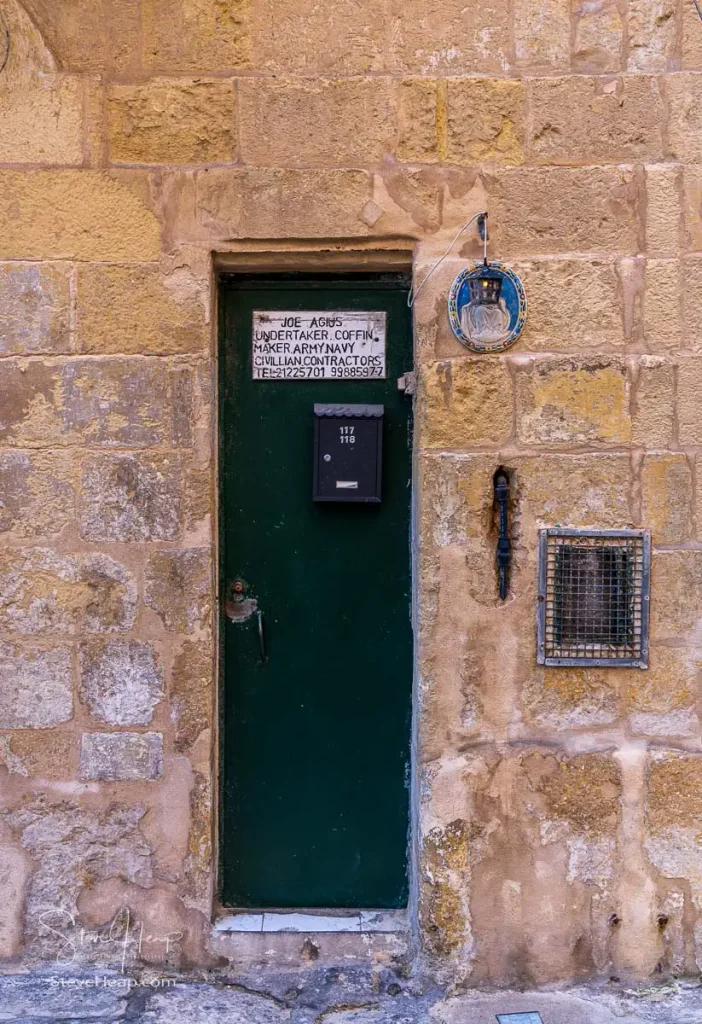
Just around the corner in the surrounding residential blocks, a very narrow green door sat tucked directly into rough-hewn limestone walls. This appears to be the offices of the local undertaker, coffin maker but also contractor to the Army and Navy installations.
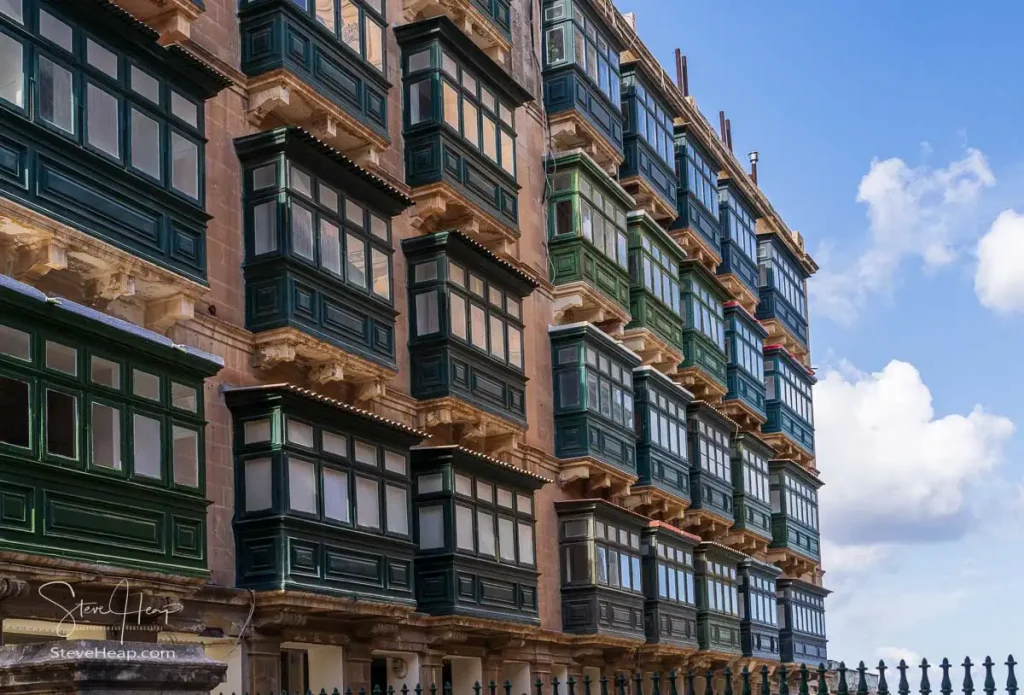
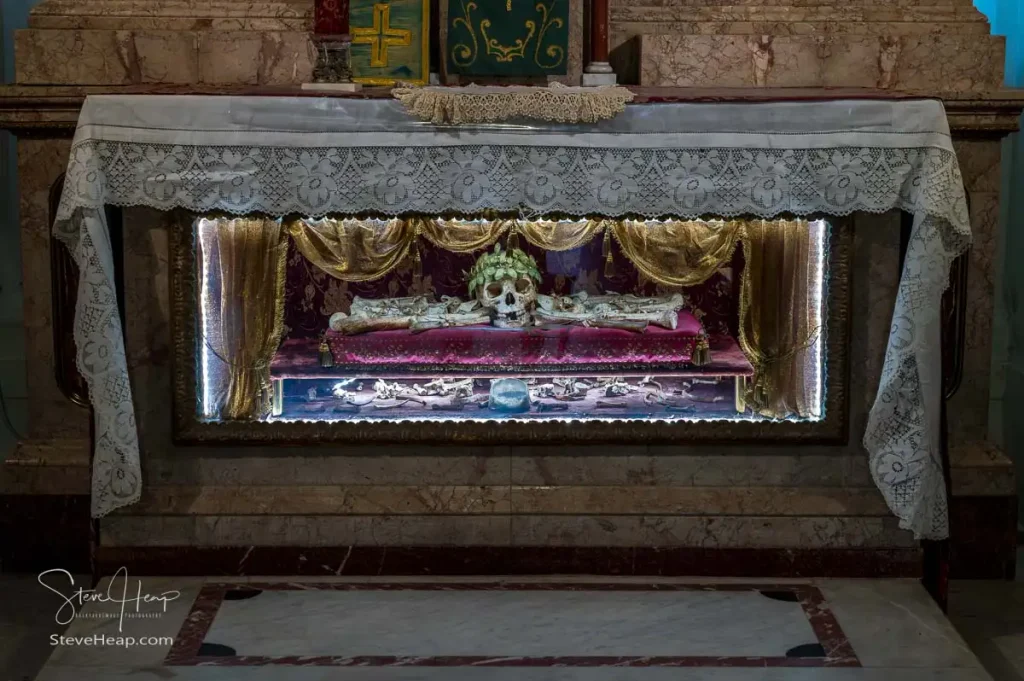
Facing the harbour, with magnificent views, we saw towering facades stacked floor after floor with traditional enclosed green balconies (gallariji) and ducking into nearby parish churches along the way also revealed glass-fronted side altars displaying richly adorned saints’ relics.
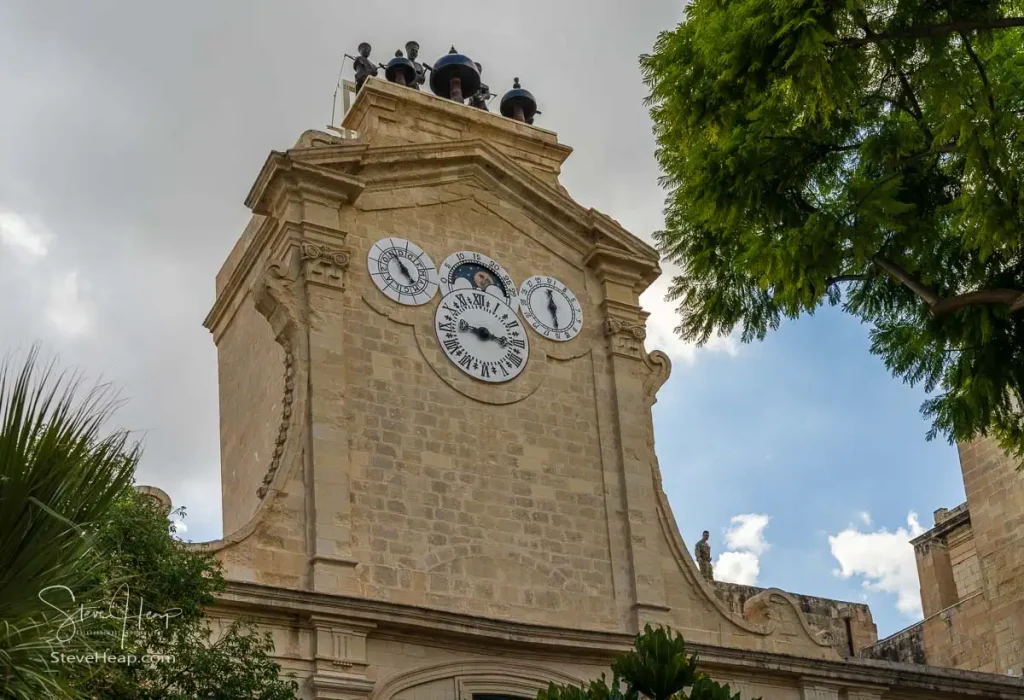
From there, we continued back toward the center of the city to visit the Grand Master’s Palace. Inside the courtyard stands the historic Pinto Clock Tower, famous for its multiple dials tracking the time, day, month, and phases of the moon. Today the palace operates as a museum housing a massive Palace Armoury exhibit packed with centuries-old suits of armor and weaponry used by the Knights of St. John.
Down the Barrakka Lift to the Viking Vela and Sail-Away
We had only scratched the surface of the city, but enough is enough! Rather than tackling the long downhill trek back to the pier in the afternoon warmth, we headed to the Upper Barrakka Lift, riding the panoramic elevator straight down the sheer bastion cliffside to harbor level.
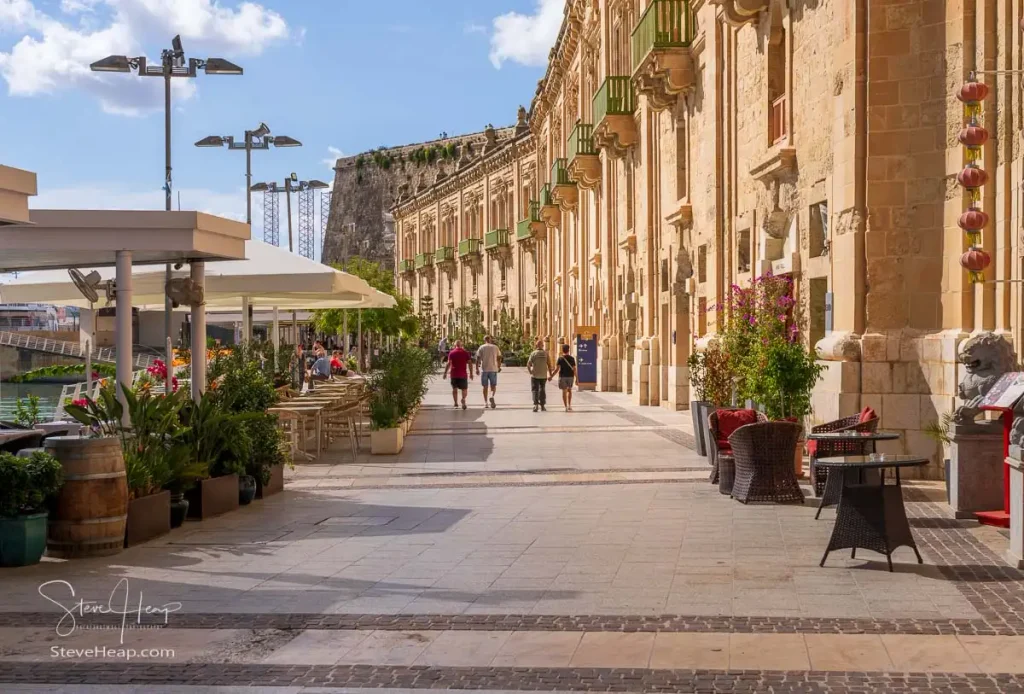
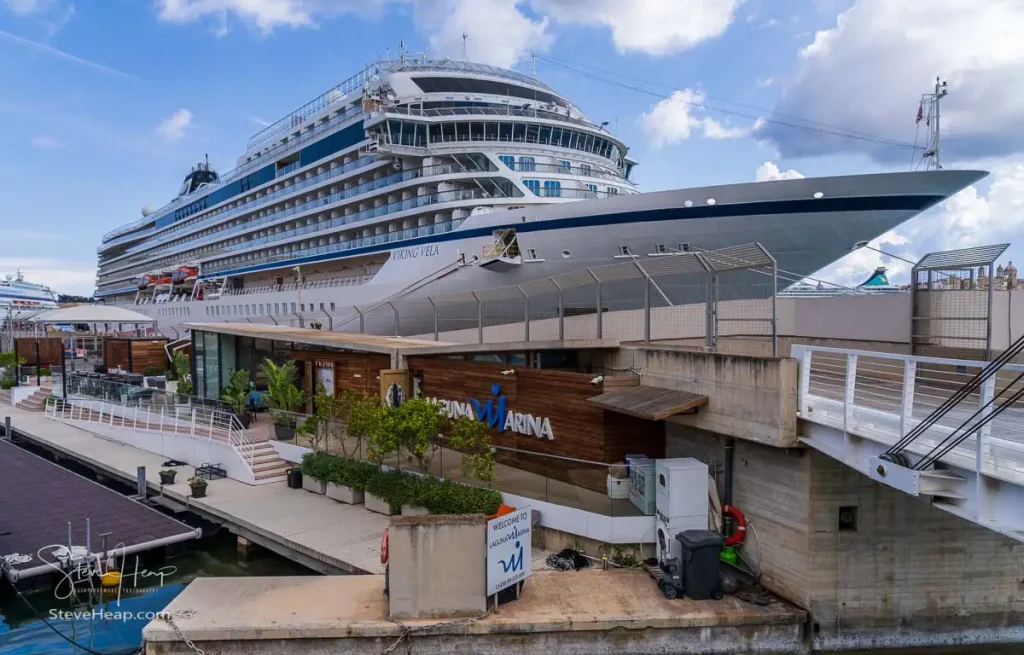
At the bottom, we emerged close to the marina where our own ship, the Viking Vela, was docked along the Valletta Waterfront, strolling beneath the 18th-century stone arches and shaded cafés of Pinto Wharf on our walk back toward the gangway.
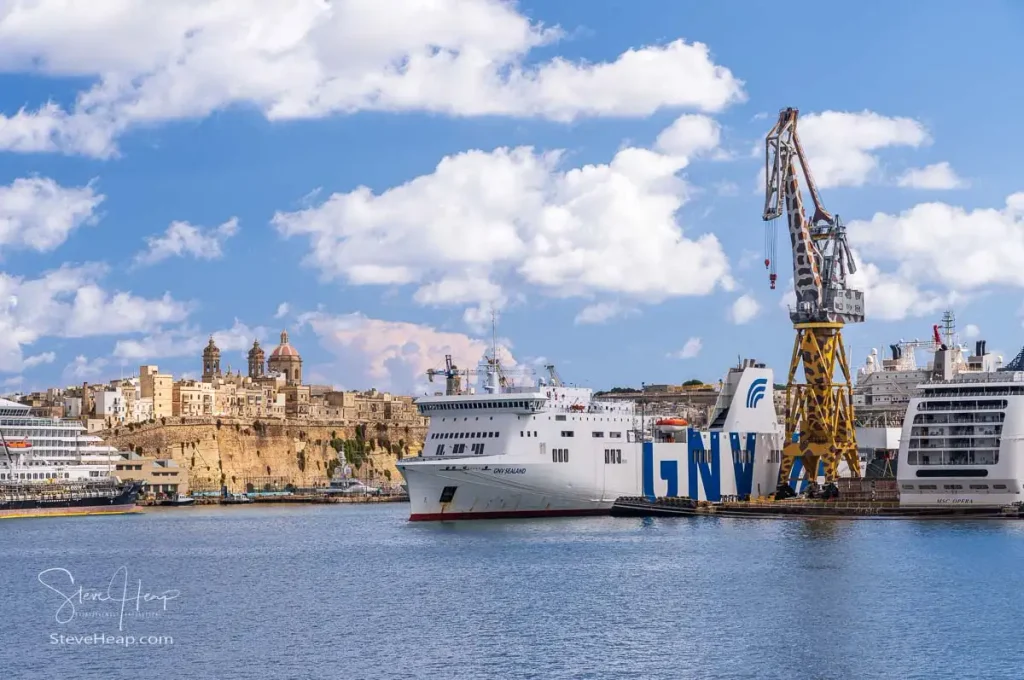
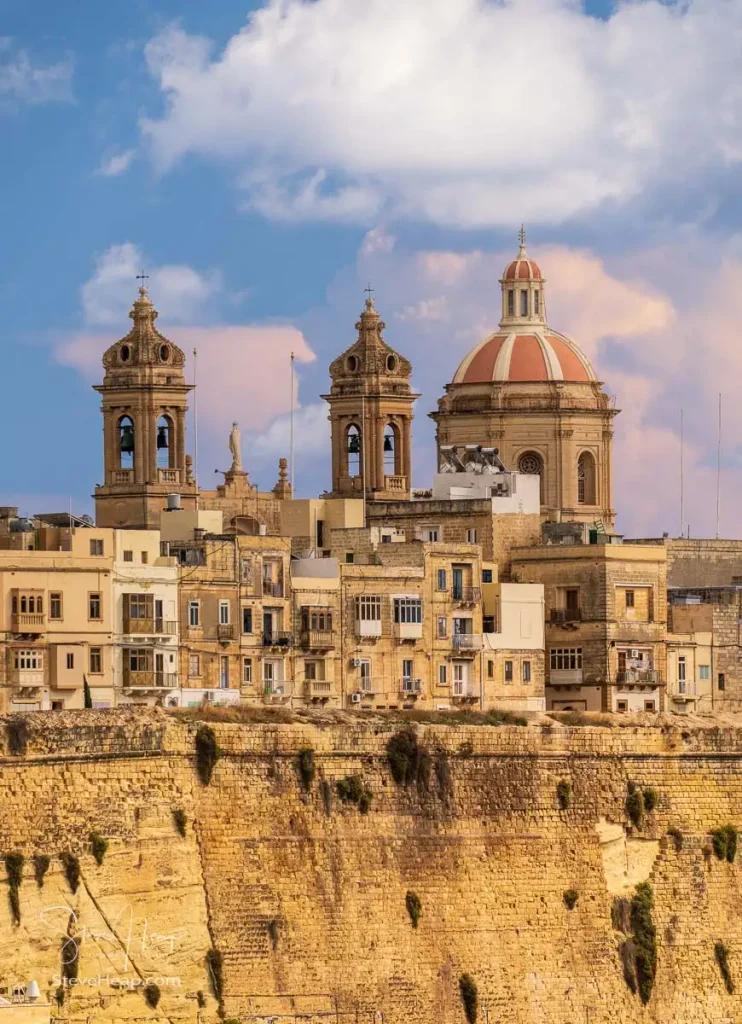
After a very welcome lunch in Mamsens and a cold beer, it was finally time to relax. But of course I am always ready for the next photo opportunity, and looking across the Grand Harbour toward the docks, we spotted a playful local touch—a massive shipyard crane painted to look like a giraffe—before turning back for our final late-afternoon views of Valletta’s golden limestone cliffs, crowned by the bell tower and dome of the Basilica of the Nativity of Mary, in Senglea, catching the late-afternoon sun as we prepared to depart.
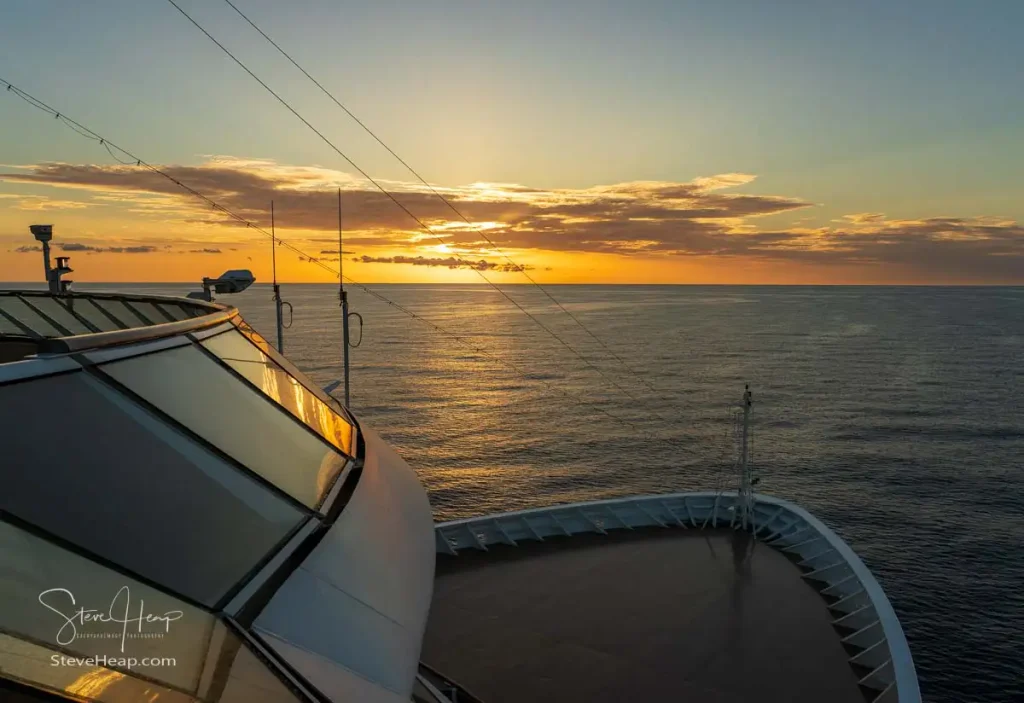
Back aboard the Viking Vela, we slipped out of the Grand Harbour in the late afternoon, watching the sun sink into a golden ribbon along the open Mediterranean horizon as Malta disappeared astern—a fitting close to two memorable days on the island and the start of our journey south to Africa.
You can read the story of our adventures in Tunisia in this article.


